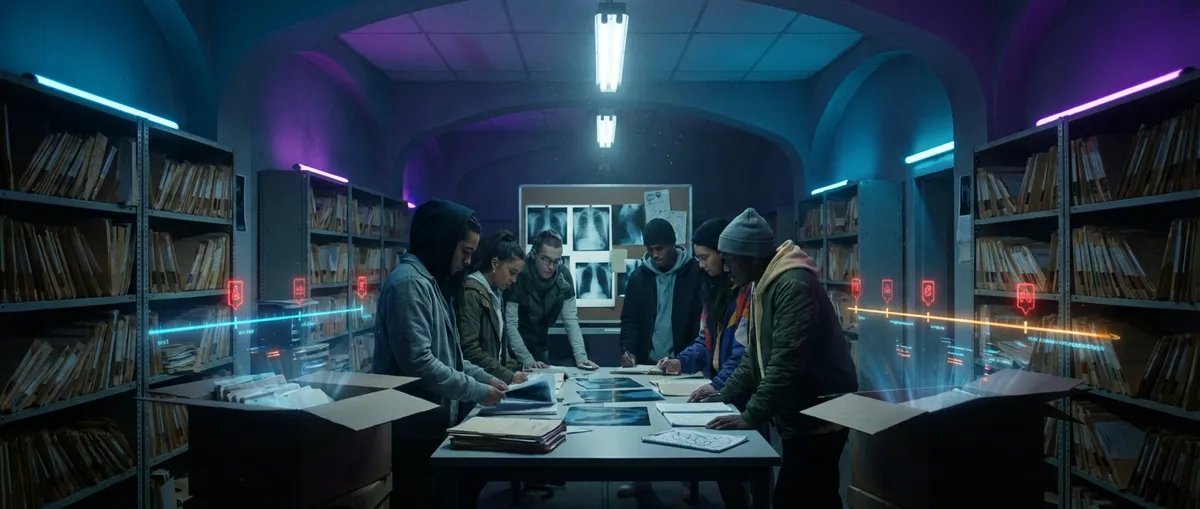
Medical drama isn’t just happening on TV anymore—it’s in patient portals, group chats, and courtrooms. Real people are taking their “something feels off” moments and turning them into case studies that change hospital policies, doctor behavior, and yes—legal outcomes.
These aren’t dusty legal stories. They’re receipts, wake-up calls, and “send this to the group chat” material for anyone navigating the healthcare maze with a side of skepticism and a need for answers.
Below are five massively shareable case-study vibes that people dealing with medical issues are obsessing over—and what they secretly teach you about protecting yourself if care ever goes sideways.
1. The “Wrong Patient, Right Procedure” Mix-Up That Blew Up Scheduling Rules
In one widely discussed case, a hospital patient was wheeled into surgery for a procedure that was meant for someone else. The truly wild part? The surgery itself was correctly performed—just on the wrong human.
The aftermath turned into a full forensic breakdown of every moment from check-in to anesthesia:
- No one double-checked the ID band against the chart.
- The consent form didn’t match the name on the wristband.
- The surgical “time-out” (that safety pause before cutting) was rushed.
Legally, this kind of situation almost screams negligence. Courts and regulators expect hospitals to have airtight identity-check systems because wrong-patient errors are known, preventable risks.
Why this case-study energy is trending:
Patients started posting checklists and TikToks about asking staff to confirm their full name, date of birth, and procedure out loud. It turned into a mini movement: “If you’re touching me with a scalpel, you’re saying my name first.”
What it teaches you:
- Don’t stay quiet during pre-op. Ask: “Can you confirm my name, DOB, and exactly what you’re doing today?”
- If something doesn’t match what you were told in the office (body part, side, type of procedure), say it immediately—even if you feel annoying.
- Document any confusion or mix-ups in your own notes or phone right away. In a malpractice case, that timeline can matter.
2. The “No One Believed Me” Story That Turned Into a Diagnostic Wake-Up Call
Another powerful case involved a patient who kept reporting new, scary symptoms—severe pain, weakness, and major fatigue—but was repeatedly told it was “anxiety” or “stress.” Months later, imaging finally revealed a serious, treatable condition that had been slowly getting worse while they were being brushed off.
This case gained traction because the medical records told a rough story:
- Repeated complaints documented in the chart.
- No imaging or labs ordered for months despite worsening symptoms.
- Dismissive phrasing like “patient is anxious” without actual mental health evaluation.
When the truth came out, the legal argument centered on failure to diagnose and failure to follow up on red flags. Courts don’t expect doctors to be perfect, but they do expect a reasonable workup when warning signs keep stacking up.
Why patients share this type of case:
It perfectly captures the feeling of “I knew something was wrong and nobody listened.” It validates people who’ve been minimized, misjudged, or rushed out in a 7-minute visit.
What it teaches you:
- Your symptom history is evidence. Keep your own log with dates, symptoms, and what you told the doctor.
- If your condition worsens and nothing is being investigated, explicitly ask: “What diagnoses are you considering, and what are we ruling out?”
- If the workup still doesn’t happen, a second opinion isn’t drama—it’s survival.
3. The “Test Was Bad, But No One Told Me” Case That Exposed Follow-Up Failure
A major theme in modern malpractice cases? Not the test itself—but what happens after the test.
In one headline-making situation, a patient had a suspicious lab result and an abnormal imaging finding. Both were in the chart. Neither was clearly communicated. No follow-up was scheduled. Months later, the patient ended up hospitalized with advanced disease that could have been caught earlier.
When lawyers and experts pulled the record, they found:
- Abnormal result highlighted—but no documented call to the patient.
- No referral ordered.
- No follow-up appointment scheduled.
- The patient’s portal messages asking “So… are my results okay?” were either not answered or answered vaguely.
This case drilled home a key legal and safety point: ordering the test is only half the job. Following up and acting on results is mandatory, not optional.
Why this kind of story goes viral:
Everyone has had that “your labs are in the portal… figure it out” feeling. It taps into the anxiety of seeing red-highlighted values with zero explanation.
What it teaches you:
- Always ask: “If something is abnormal, how will I be notified—and who is responsible?”
- Use portals strategically: screenshot your abnormal results and note dates of messages or calls you make asking about them.
- If a serious test comes back weird and no one calls, that’s not just rude—it can be legally significant if harm occurs.
4. The “Discharge To Disaster” Case That Changed How People Read Their Papers
One widely discussed case involved a patient discharged from the ER with “likely minor issue” typed into the note—but the symptoms and vital signs screamed otherwise. Hours later, they were back in crisis, and it turned into a full malpractice battle over whether the discharge met any reasonable standard.
The deep dive into the chart revealed:
- Concerning vital signs (like high heart rate or low blood pressure) not fully addressed.
- No clear safety instructions: what worsening signs to watch for, and when to return.
- No documented discussion of risks if the patient went home.
In litigation, the focus landed hard on inadequate discharge instructions and failure to recognize an unstable patient. Courts look at whether a reasonably careful ER provider would have sent that person home—or kept them, observed them, or admitted them.
Why this is shareable:
It captures the exact horror of being sent home with “you’re fine” vibes and a generic printout, only to end up in a much worse emergency.
What it teaches you:
- Before leaving, ask: “What exact symptoms mean I should come back immediately?”
- Check your discharge paperwork the same way you’d read a serious contract.
- If you feel worse after discharge and can’t reach anyone, going back is not “overreacting.” It can save your life—and creates a clear timeline if things escalate to a legal review later.
5. The “One Note Changed Everything” Case That Turned the Tide in Court
In one case that legal and medical circles still talk about, everything came down to a single progress note. A nurse had quietly documented that the patient’s pain was “10/10 despite medication,” that a new alarming symptom had started, and that the doctor on call had been notified—but no new orders were given.
Later, when the patient suffered a severe complication, that note became the turning point:
- It proved the provider had been told about escalating symptoms.
- It showed the risk was known, not a surprise.
- It undercut later claims that “we didn’t realize it was serious.”
Patients who see these kinds of stories are suddenly very interested in what their charts actually say. In an era of open notes and patient portals, those quiet lines of text can make or break a malpractice case.
Why this resonates:
It reveals that behind every “nothing we could have done” statement, there might be a timestamped note telling a different story.
What it teaches you:
- Use your right to access your medical record. Many systems let you read notes in real time.
- If a note is factually wrong (“patient denies pain” when you absolutely reported pain), politely request a correction and keep your own written version.
- In malpractice investigations, thorough documentation can either protect clinicians—or prove the patient’s story. That’s why your own written timeline (messages, texts, notes) matters too.
Conclusion
These case-study vibes aren’t just legal war stories—they’re playbooks for real people trying to survive an often chaotic healthcare system.
Patterns keep showing up across the most talked-about med mal cases:
- Missed or delayed diagnoses despite clear warning signs.
- Test results falling into a black hole with no follow-up.
- Discharges that felt like “you’re fine” even when you weren’t.
- Records that tell a very different story than what the patient remembers.
You don’t need a law degree to learn from them. You just need to:
- Ask sharper questions.
- Track your own care.
- Pay attention to what gets written down—or never followed up at all.
Because sometimes, the difference between a close call and a courtroom is whether someone took that extra moment to verify, investigate, document, or speak up… and that “someone” might have to be you.
Sources
- Agency for Healthcare Research and Quality (AHRQ) – Patient Safety Network: Medical Malpractice Cases – Case analyses and safety lessons from real malpractice events
- U.S. National Library of Medicine – Medical Errors and Adverse Events – Overview of how errors happen and what systems can prevent them
- American Medical Association – How to Read and Use Your Medical Record – Guidance on accessing and understanding clinical notes and test results
- U.S. Department of Health & Human Services – Access to Medical Records (HIPAA Right of Access) – Explains your legal right to see and obtain copies of your records
- Johns Hopkins Medicine – Medical Error as a Leading Cause of Death – Research and discussion about the impact of medical errors on patient safety
Key Takeaway
The most important thing to remember from this article is that this information can change how you think about Case Studies.