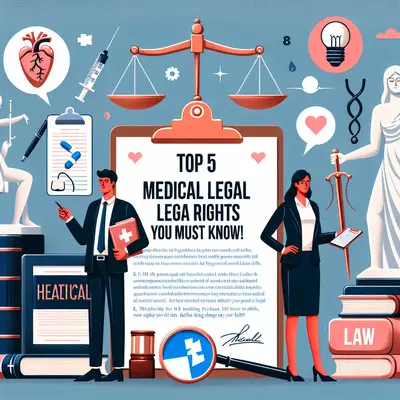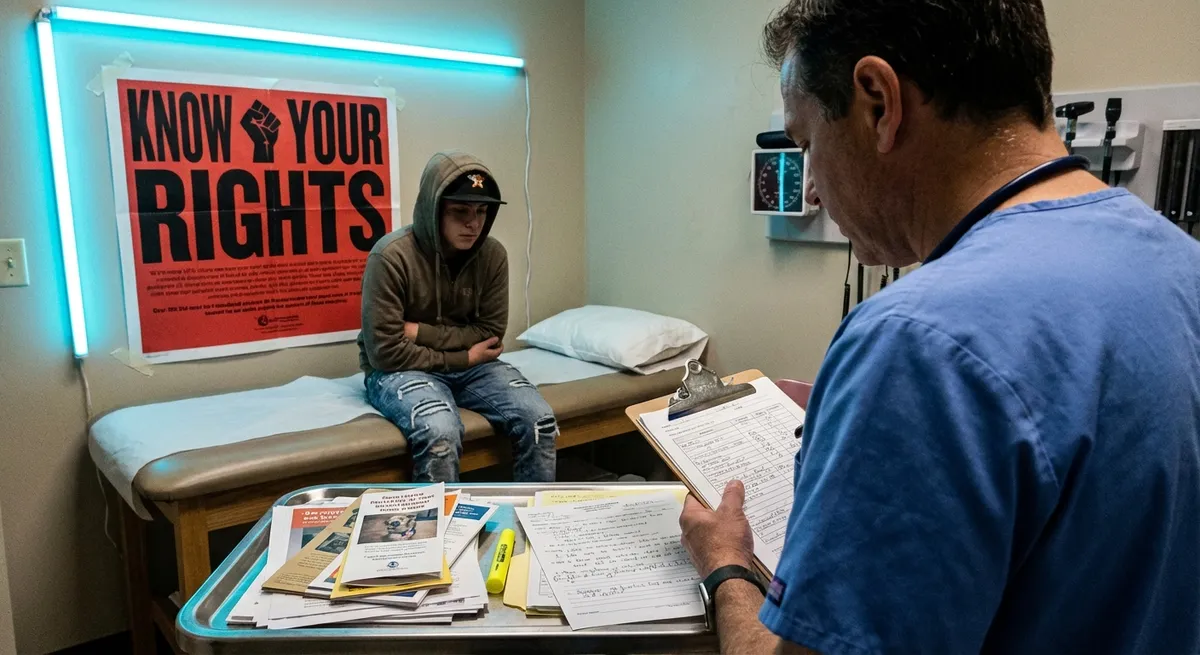
Healthcare drama hits different when you realize you actually have legal rights—and receipts to back them up. If you’ve ever left an appointment thinking, “Something about that felt off,” this is your sign: you’re not overreacting, you’re under-informed.
This is your scroll-stopping guide to the legal vibes behind your doctor’s decisions, your chart, your consent, and what happens when things go seriously wrong. Save it, share it, send it to the group chat—because the more patients know, the harder it is for bad medicine to hide.
Your Medical Record Is Basically Your Legal Diary
Your chart isn’t just a bunch of jargon in a computer system—it’s a legal document that can make or break a medical malpractice case.
Every diagnosis, medication, text-style shorthand note, and late-night chart “update” tells a story. If your care goes sideways, lawyers, insurers, and expert witnesses are going to be reading that chart like it’s the hottest true-crime script of the year.
Here’s the twist: in most places, you have the legal right to see your records. You don’t need to be “nice” about it. You don’t need to explain why. And your request alone is not a red flag or an attack—it’s your protected right.
If your records are “missing,” heavily edited after an incident, or mysteriously delayed, that can become a legal issue, too. Courts know that good records are a sign of good medicine. Bad or altered records? That’s when people start asking, “What are they trying to hide?”
Shareable takeaway: “If it’s not documented, it’s like it never happened—so I’m getting my records, period.”
Consent Isn’t a Signature; It’s a Conversation
That stack of forms they shove under your nose while you’re in a gown and mildly panicking? That’s paperwork. Real informed consent is something else entirely.
Legally, before a big test, surgery, or risky treatment, your provider is supposed to explain:
- What they’re doing
- Why they’re doing it
- The real risks (not just the pretty ones)
- Possible alternatives, including doing nothing
Then you get to decide—without being rushed, shamed, or pressured.
If you wake up after a procedure thinking, “I had no idea this could happen,” that’s not just bad communication. It might be a red flag for consent issues, which is a major theme in medical malpractice lawsuits.
Here’s the kicker: “You signed the form” is not a get-out-of-court-free card if the conversation never really happened or you weren’t told crucial risks.
Shareable takeaway: “My signature is not silence. If you didn’t explain it, I didn’t truly consent.”
Red-Flag Moments That Turn Bad Care Into Legal Cases
Not every medical mistake equals malpractice. But certain patterns scream, “This might be a lawsuit waiting to happen.”
Trending red flags lawyers and patient advocates keep seeing:
- Blown-off symptoms – You report new or worsening symptoms and get dismissed with “It’s just stress” or “You’re overthinking it,” only to later learn it was something serious.
- No follow-up on test results – Labs, scans, or biopsies get ordered, but nobody calls, messages, or acts—even when the result was abnormal.
- Copy-paste charting – Every note looks the same, even when your symptoms changed. That can be ammo in court: it suggests nobody was actually paying attention.
- Direction changes with zero explanation – Your care plan suddenly shifts—new meds, new specialist, canceled surgery—and nobody can clearly tell you why.
- “That’s just a known risk” used like a shield – Complications can happen even with good care, but if they were preventable or ignored, “known risk” isn’t always a legal excuse.
These patterns don’t guarantee you have a case, but they’re exactly the kind of plot twists malpractice attorneys dig into when deciding if a claim is worth filing.
Shareable takeaway: “A complication isn’t always malpractice—but being ignored almost always becomes part of the legal story.”
When TikTok Meets the Courtroom: Screenshots, DMs, and Digital Receipts
Your healthcare story doesn’t live only in your chart anymore. It lives in portals, emails, patient messages, pharmacy apps, wearable data—and yes, sometimes in texts and voicemails.
Legally, that’s huge.
- That portal message where you told your doctor your pain was “11/10” for the third time? It can become evidence.
- That triage nurse note that contradicts what the doctor later wrote? Also evidence.
- That voicemail where a provider brushes off scary test results? Definitely evidence.
Even your own notes and timeline—written in your phone’s Notes app on the ride home—can help lawyers reconstruct what happened and when. The law loves a good timeline.
One warning: posting everything publicly on social media can backfire. Defense teams and insurers scroll too. Rant to your group chat, sure—but talk to a lawyer before you start turning your case into content.
Shareable takeaway: “If I said it in a portal message, it might matter more in court than what anyone remembers later.”
You Don’t Have to “Blow Up Your Life” to Talk to a Lawyer
There’s a massive myth that calling a lawyer equals “I’m suing you into oblivion.” Legally and practically, that’s not how this works.
Here’s the reality:
- Consults are often free. Many medical malpractice attorneys don’t charge to just review your story and see if there’s a case.
- You can ask questions without committing to anything. “Is this normal?” and “Does this sound like malpractice?” are completely valid starting points.
- You’re allowed to be unsure. You don’t need ironclad proof, a perfect memory, or a stack of documents to have that first conversation.
- The clock is ticking. Every state has a time limit (a “statute of limitations”) for filing a medical malpractice claim, and missing that deadline can erase even a strong case.
Sometimes a lawyer will say, “You were harmed, but this doesn’t meet the legal standard.” Other times they’ll say, “You’ve been gaslit into thinking this is no big deal—it is.” Either outcome gives you power and clarity.
Shareable takeaway: “Getting legal advice isn’t dramatic—it’s a boundary.”
Conclusion
Medical malpractice law isn’t just for courtroom shows and viral news stories. It’s the quiet framework that decides what happens when your care goes wrong—or when your gut says something isn’t right.
Your records, your consent, your digital receipts, your red-flag moments, and your access to a lawyer are all part of one bigger truth: you are not powerless in the healthcare system, even if it sometimes feels like you’re stuck playing defense.
Pass this on to the friend who always says, “I don’t want to be difficult,” right before getting dismissed in an exam room. Knowing your rights isn’t about being difficult—it’s about refusing to disappear from your own medical story.
Sources
- U.S. Department of Health & Human Services – Individuals’ Right under HIPAA to Access Health Information - Explains patients’ legal rights to access their medical records and how providers must respond.
- American Bar Association – Medical Malpractice Overview - Breaks down what medical malpractice is, common issues, and how cases typically work.
- Mayo Clinic – Informed Consent: More than Getting a Signature - Discusses the communication and ethical side of informed consent, beyond just signing forms.
- National Library of Medicine (NIH) – The Role of Medical Records in Malpractice Litigation - Reviews how documentation and medical records impact malpractice cases.
- Nolo – Statutes of Limitations in Medical Malpractice Cases - Outlines typical time limits for filing medical malpractice lawsuits in different states.
Key Takeaway
The most important thing to remember from this article is that this information can change how you think about Legal Rights.