You know that feeling when a “quick appointment” turns into a blur of fast talk, rushed decisions, and you leaving the office thinking, “Wait… what just happened?” Yeah, that’s exactly where medical mistakes love to hide. The good news: you don’t need a medical degree to protect yourself—you just need a strategy.
This isn’t about being a “difficult patient.” It’s about being an informed one. These prevention tips are designed for real life: busy schedules, confusing test results, and doctors who are juggling way too many people in one day. Share this with the friend who always says, “I’ll just trust whatever the doctor says,” because that mindset can be dangerous in 2025.
Turn Every Appointment Into a “Screenshot Moment”
If you can’t replay what happened in that exam room later, you’re already at a disadvantage. Before your visit, write down your symptoms, when they started, what makes them better or worse, and any meds or supplements you’re taking. During the appointment, ask the doctor to repeat the key points: your diagnosis (if any), the plan, and what happens next. Then treat those answers like you’re capturing receipts—write them in your notes app, or (if your clinic allows it) ask if you can record the explanation for personal use.
This does two powerful things: it forces clarity, and it gives you something to double-check later if something feels off. If the doctor’s plan “evolves” over time, you’ll be able to see how and when. If a serious symptom gets brushed off, your notes show you weren’t just “confused” or “overreacting.” Those details can be critical if a mistake is made, and they also help you notice early when something isn’t adding up—before it turns into harm.
Make “What Else Could This Be?” Your Signature Question
One of the biggest ways medical errors happen is through tunnel vision: a rushed provider locks onto one diagnosis and stops looking. Your job isn’t to argue; it’s to reopen the lens. After the doctor explains what they think is going on, ask: “What else could this be?” and “What are we ruling out today—and what are we not ruling out yet?”
This simple move can nudge a tired brain into double-check mode. It invites the doctor to think about dangerous alternatives (like heart attack vs. indigestion, stroke vs. migraine, infection vs. “just a virus”). Also ask, “If this is something more serious, what warning signs should make me come back right away?” Now you have specific red flags, not vague reassurance. That shifts you from passive passenger to active co-pilot in your own care.
Refuse Mystery Meds: Decode Every Prescription Before You Take It
Medication errors are way more common than most people realize—wrong drug, wrong dose, dangerous combo with something you’re already on. When a prescription is written or sent to your pharmacy, pause and get the full breakdown. Ask: “What is this called, what is it for, how long do I take it, and what are the most important side effects or interactions I should watch for?” Then confirm the dose and timing out loud.
When you pick it up, double-check the label: your name, drug name, dose, and instructions. If anything looks different from what you discussed, don’t just shrug and trust it—ask the pharmacist to walk through it with you. Screenshot the bottle and instructions so you can recheck later. If you feel weirdly off after starting something new, don’t tough it out. Call, message, or go back in. Early pushback on the wrong med or dose can prevent serious harm—and yes, those “one little pill” errors absolutely do turn into malpractice cases.
Use Your Second Opinion Power Like a Life Hack, Not a Last Resort
Second opinions aren’t an insult; they’re a safety feature. If your gut says, “This doesn’t feel right,” or your diagnosis is serious, vague, or based on very little testing, that’s your cue to bring in backup. You can say: “This is a lot to process. I’d like a second opinion to feel confident we’re on the right track.” Calm, direct, and fully reasonable.
Look for a doctor who’s independent from the first one when possible (different practice or system), especially for surgery, serious diagnoses, or long-term treatment plans. Bring your records—test results, imaging, notes, med list—so they’re not just guessing. If the second opinion matches, great: reassurance with receipts. If it doesn’t, you’ve caught a potential miss early. Either way, you’ve turned a risky “hope this is right” situation into a cross-checked plan, and that’s exactly how you prevent avoidable harm.
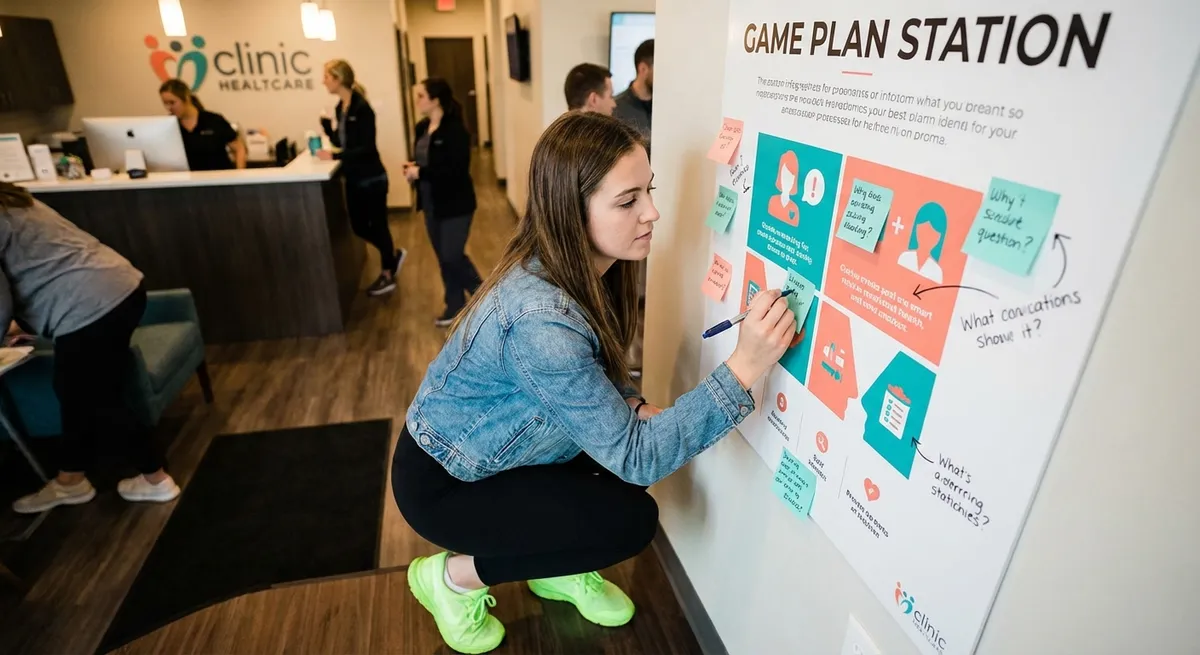
Don’t Leave Without a “What’s Next” Game Plan
One of the sneakiest ways care goes wrong? Nothing happens next. No follow-up, no re-check, no “if this isn’t better by ___, we do ___.” You get a quick visit, a vague suggestion, and then… silence. That’s how serious conditions get missed or allowed to worsen. Before you walk out, lock in your “what’s next” plan: timing, tests, check-ins, and emergency rules.
Ask specific questions like: “When should I expect to feel better?” “If I’m not better by when, what’s the next step?” “Do I need labs or imaging, and how will I get those results?” “Who do I contact if things suddenly get worse?” Put those answers in your calendar or notes immediately. If your lab results never show up, or your symptoms blow past the timeline you were given, that’s your signal to act, not wait. Following up isn’t being needy—it’s being smart. A tight follow-up plan can catch a brewing disaster before it becomes permanent damage.
Conclusion
Medical visits shouldn’t feel like a gamble, and you’re not “difficult” for wanting clarity, safety, and proof that your care makes sense. When you document what’s said, ask “what else,” decode your meds, embrace second opinions, and demand a clear “what’s next,” you’re building your own safety net—even when the system is rushed, overworked, and imperfect.
Share this with anyone who’s heading into a diagnosis, wrestling with vague symptoms, or just tired of feeling powerless in exam rooms. The stakes are high, but your voice is higher—and using it early is one of the strongest ways to prevent medical mistakes before they become medical malpractice.
Key Takeaway
The most important thing to remember from this article is that this information can change how you think about Prevention Tips.