You don’t need a medical degree to protect yourself from bad healthcare—you just need the right playbook. Think of this as your “don’t mess with me” guide for doctor visits, hospital stays, and everything in between. These are the kind of prevention tips people DM to friends after a weird appointment, the ones that quietly stop medical mistakes before they wreck your life.
Let’s turn you into the most prepared, impossible-to-ignore patient in the room.
1. The “Receipts or It Didn’t Happen” Habit
If it’s not written down, it’s way easier for it to be denied, twisted, or flat-out forgotten later.
Start treating your healthcare like a high-stakes group project where you keep the master doc:
- Screenshot your patient portal test results and messages
- Keep a running note on your phone with dates, symptoms, meds, and questions
- After appointments, jot down what was said: diagnosis, next steps, follow-ups
- If something feels off (rushed exam, ignored symptom, medication switch), write exactly what happened and when
Why this matters: In medical malpractice cases, timelines, patterns, and “who said what” are everything. But you’re not doing this just for a future lawsuit—you’re doing it to spot problems early. When you can clearly say, “Actually, my chest pain started three months ago and you ordered X test, not Y,” it’s harder for serious issues to be brushed aside.
Your new rule: If your health is on the line, your notes are non-negotiable. Your memory is human. Your receipts are not.
2. Second Opinions Are a Power Move, Not an Insult
Too many patients stay quiet because they don’t want to be “difficult.” Let’s retire that mindset.
You are allowed to pause, say “I need another opinion,” and walk out of a room that doesn’t feel right—no apology needed.
You especially want a second opinion when:
- Surgery is recommended and it’s not an emergency
- You’re handed a life-changing diagnosis without much explanation
- The treatment plan feels extreme, rushed, or completely mismatched with what you’re experiencing
- Your gut is screaming “This doesn’t add up,” but you’re being dismissed
A good doctor will respect that you want clarity. A doctor who gets offended might be giving you useful data too—about whether you should trust them with your body.
Think of second opinions as quality control for your health. You shop around for phones and cars. Your body is worth at least that much effort.
3. “Say It Back” Scripts That Catch Dangerous Misunderstandings
Miscommunication is one of the sneakiest ways medical errors happen. You nod. They assume you understand. You go home confused. That gap? That’s where preventable disasters live.
Instead of pretending it all made sense, use the “say it back” move:
- “Just to make sure I got this… my diagnosis is ___, and the plan is ___?”
- “So if this med causes ___ or ___, that’s when I call you or go to the ER, right?”
- “You’re saying I should NOT take this with my other medication, correct?”
- “I heard you say my test was ‘normal’—what exactly did you check for?”
This does two things at once:
- It forces your provider to clarify anything fuzzy.
- It creates a mini verbal record of what they told you.
You’re not being annoying; you’re being accurate. And accurate patients are much harder to harm.
4. Bring a “Witness With Wi-Fi” to Big Appointments
Serious appointment on your calendar? Specialist consult, surgery talk, scary diagnosis, complex test follow-up?
Do not go alone if you can help it.
Recruit your:
- Partner
- Friend
- Sibling
- Adult child
- Tech-savvy cousin who takes killer notes
Their job isn’t just moral support. It’s to:
- Take notes or type while you focus on listening
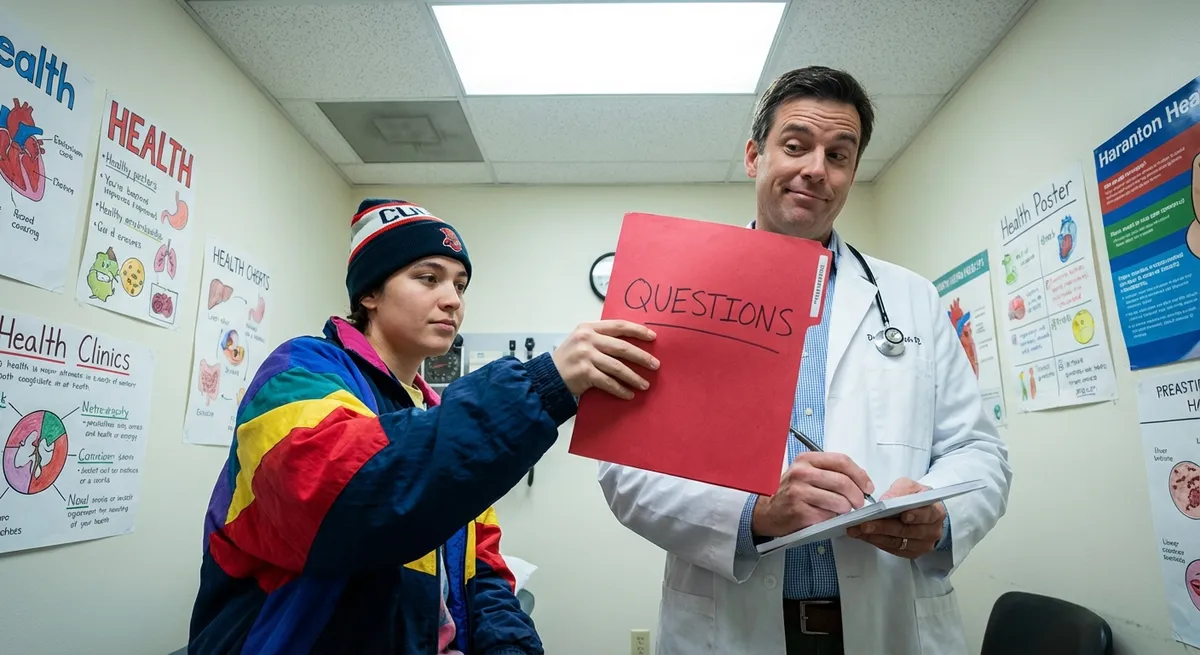
- Ask follow-up questions you forgot in the moment
- Catch dismissive behavior or contradictions you might overlook
- Remember details when your brain is overloaded
If they can’t be there in person, ask the office if you can have them join via speakerphone or video.
Bonus: When another person hears a doctor say, “Your pain is in your head” or “We don’t need to test that,” that’s not just your word anymore. That’s corroboration—gold if things ever escalate.
5. The “Pause Button” You’re Totally Allowed to Hit
Medical settings can make you feel like you’re on a conveyor belt: next, next, next. But you’re allowed to hit pause when something doesn’t feel right—even if you’re in a gown, even if they seem rushed, even if the vibe is “we’ve done this a thousand times.”
You can say:
- “I’m not comfortable moving forward until I understand the risks and alternatives.”
- “Can we go over the consent form together? I want to know what each part means.”
- “I didn’t realize this was optional. What happens if we wait?”
- “I need a minute before I decide.”
Big concept here: informed consent is not just a signature. It’s a conversation. If you don’t understand, you are not truly consenting—you’re just complying.
That distinction is huge in both patient safety and med mal cases. Rushed, vague, or pressured consent is a red flag. Your pause button is your right, not a favor they’re doing you.
Conclusion
You can’t control every doctor, hospital, or outcome—but you can control how prepared, documented, and vocal you are.
When you:
- Keep your own receipts
- Normalize second opinions
- Say things back in your own words
- Bring a witness with Wi-Fi
- Hit pause when you’re unsure
…you’re not just “being careful.” You’re actively lowering your risk of medical errors and quietly building a record that protects you if something goes wrong.
This is patient power in real life—share it with someone who has an appointment coming up and tell them: you’re allowed to take up space in your own healthcare story.
Sources
- Agency for Healthcare Research and Quality: Questions to Ask Your Doctor - Practical question lists and communication tips to help patients actively participate in their care
- Centers for Disease Control and Prevention – Patient Safety - Overview of strategies to prevent medical errors and improve safety in healthcare settings
- National Library of Medicine – Preventable Medical Errors - Foundational report on how errors happen and why patient engagement matters
- Mayo Clinic – Second opinions: When to seek one - Explains why and when getting a second opinion can be crucial
- Johns Hopkins Medicine – Patient’s Bill of Rights - Details core patient rights, including informed consent and participation in decisions
Key Takeaway
The most important thing to remember from this article is that this information can change how you think about Prevention Tips.