You know that feeling when something at a doctor’s visit just… doesn’t vibe right? A rushed exam. Confusing meds. No one really explaining anything. That “uhhh, is this normal?” moment is exactly where a lot of medical malpractice stories secretly start.
This isn’t about being paranoid. It’s about being prepared. Think of this as your “defensive driving” guide for healthcare: smart, proactive moves that make it way harder for mistakes to slide by—and way easier to protect yourself if they do.
Let’s talk prevention that’s actually shareable.
1. Screenshot Your Health: Turn Every Visit Into a Mini Paper Trail
If it’s not documented, it’s way easier to dispute later. That’s why creating your own “health receipts” is low-key one of the strongest prevention moves you can make.
Turn your phone into a medical command center:
- After each visit, open your Notes app and type: Who you saw, what they said, what they prescribed, and any follow-up plans. Date it.
- Take photos (or portal screenshots) of your medication list, lab results, imaging reports, discharge instructions, and referral notes.
- If something sounds off—like a medication you don’t recognize—write down the exact name and spelling. Look it up later on a trusted site or ask your pharmacist.
- Use your patient portal like a chat log: message your doctor with clarifying questions so their answers are in writing.
Why this prevents drama:
When you have a crisp timeline of what was said, done, and prescribed, it’s way harder for miscommunication to spiral into medical error. And if something does go wrong, your “receipts” help your future self—and any lawyer you might need—get the full picture fast.
2. The “Teach-Back Test”: Don’t Leave Until You Can Explain It Back
Nodding along and saying “Got it” while internally screaming “I do NOT got it” is extremely common—and extremely risky.
Enter the Teach-Back Test: a simple, powerful move used in top hospitals to make sure patients actually understand care instructions. You can flip it and use it for yourself.
Try this line before you leave:
“Just to make sure I understand, can I repeat back the plan and you tell me if I’ve got anything wrong?”
Then cover:
- Your diagnosis (or working diagnosis)
- Why they’re recommending this test/medication/treatment
- How and when to take meds or do the treatment
- When to worry: “What symptoms mean I need to call or go to the ER?”
If you can’t explain it in your own words, that’s your sign to pause and get clearer instructions.
Why this prevents drama:
Most medical errors involve miscommunication, especially around meds and follow-up. When you run the Teach-Back Test, you’re catching confusion before it turns into a dangerous mistake at home.
3. Second Opinions Are a Power Move, Not an Insult
We get second opinions on tattoos, apartments, and haircuts—yet people feel weird about doing it for their actual organs. That mindset? Outdated.
Anytime you feel:
- Rushed into a major surgery or aggressive treatment
- Brushed off about ongoing pain or symptoms
- Confused because something feels off but no one’s explaining why
…that’s your cue to say:
“I’d like to get a second opinion to feel confident about my options.”
Key pro tips:
- You don’t owe anyone an apology. Second opinions are standard practice, especially for surgery, cancer, or anything life-changing.
- Ask: “Can you recommend another specialist who might offer a different perspective?” Good doctors welcome this.
- Bring your records: imaging, lab results, prior notes. (Your earlier “health receipts” make this easy.)
Why this prevents drama:
A second set of eyes can catch misdiagnoses, unnecessary procedures, or gaps in your workup. Sometimes the second doctor fully agrees with the first—which is actually great news. You get peace of mind and a safer game plan either way.
4. Medication Cross-Check: Make Your Pharmacist Your Quiet MVP
Many med mal disasters start in the quietest place: the prescription pad.
Medication errors can look like:
- Wrong drug
- Wrong dose
- Dangerous mix with something else you’re taking
…or a drug that’s totally wrong for your condition.
Before you even swallow a pill, run this mini safety check:
At the pharmacy, ask:
- “What is this medication for, in plain language?”
- “Is this dose and timing typical for someone like me?”
- “Do any of my other meds, vitamins, or supplements clash with this?”
- “What side effects mean I should stop and call someone right away?”
- Compare the drug name and dose on the bottle with what’s written in your visit summary or portal.
- If it doesn’t match—or looks totally new and no one explained why—pause and call the prescriber.
Then cross-check:
Why this prevents drama:
Pharmacists are trained to catch drug interactions and unsafe combos that busy doctors might miss. Turning your pharmacist into a regular checkpoint adds a protective layer between “prescribed” and “taken.”
5. Boundary Setting in Healthcare: Saying “No” Without Burning Bridges
You are allowed to set boundaries in a medical setting. Full stop.
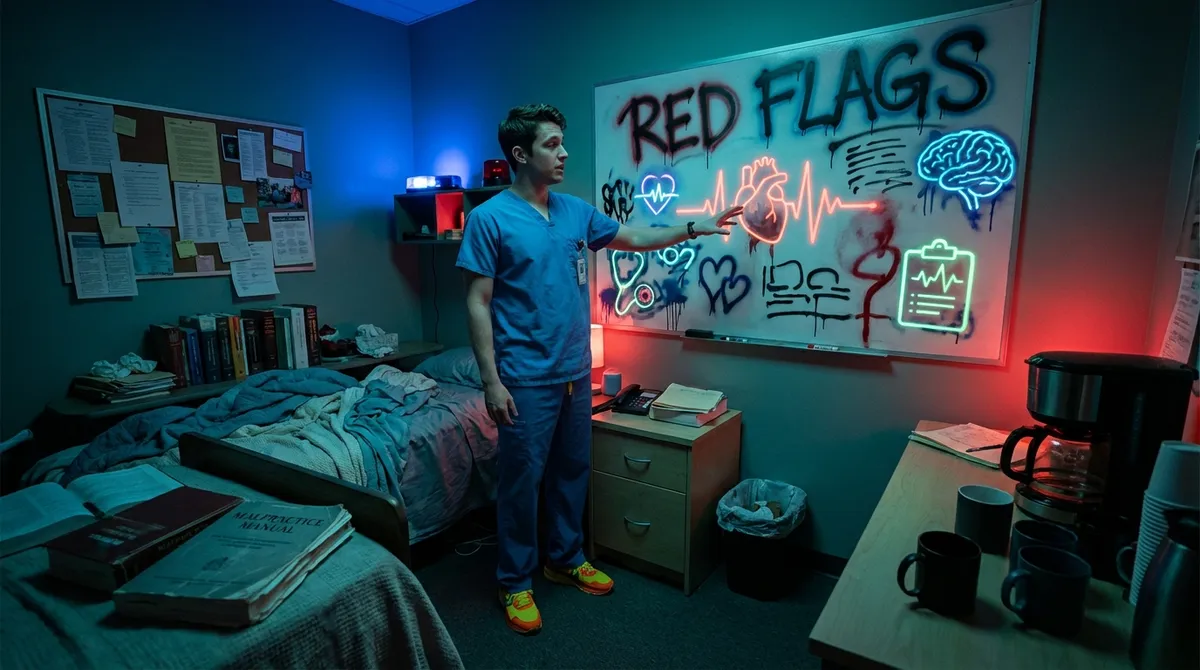
Red flags to watch for:
- You feel talked over, rushed, or dismissed mid-sentence.
- You’re asked to sign something you haven’t read or don’t understand.
- You’re told “it’s probably nothing” while your symptoms keep getting worse or weirder.
- You’re pushed toward a treatment without a real convo about alternatives and risks.
- “I’m not comfortable signing this without time to read it fully.”
- “I’d like you to note in my chart that I reported these symptoms on this date.”
- “I’m not ready to decide today. What’s the risk if we wait for a second opinion?”
- “Can we document the plan and the reasons for choosing this option over others?”
- Ask for the patient advocate or ombudsman at the hospital or clinic.
- Document in your own words what’s happening, including names, dates, and exact phrases used.
Sample boundary lines you can use (and share):
If something feels seriously wrong:
Why this prevents drama:
Medical malpractice often grows in environments where patients feel powerless or silenced. Boundary setting doesn’t just protect your rights—it changes the energy in the room and signals that you’re paying attention and expect safe, transparent care.
Conclusion
You don’t need a law degree or a medical degree to protect yourself. You just need a system:
- Capture your own medical receipts.
- Make “explain it back” your default setting.
- Normalize second opinions.
- Use your pharmacist as a safety net.
- Set boundaries like your health depends on it—because it does.
Share this with the person in your life who never asks questions at the doctor’s office or always says “I’ll just trust them; they know best.” Trust is good. Informed trust is better.
And if the vibes ever feel seriously off? That’s not drama—that’s data. Pay attention.
Sources
- Agency for Healthcare Research and Quality (AHRQ) – Patient Engagement and Safety - Explains how patient involvement, questions, and communication can reduce medical errors.
- U.S. Food & Drug Administration – Preventable Medication Mistakes - Covers common medication errors and how patients can help avoid them.
- Centers for Disease Control and Prevention (CDC) – Questions to Ask Your Doctor - Provides practical question prompts to improve understanding during medical visits.
- Mayo Clinic – Second Opinion: When and Why to Get One - Breaks down when second opinions are helpful and how to approach them.
- Johns Hopkins Medicine – Medical Errors and Patient Safety - Discusses the scope of medical errors and strategies to improve safety for patients.
Key Takeaway
The most important thing to remember from this article is that this information can change how you think about Prevention Tips.