Medical drama isn’t just on TV—it’s happening in real clinics, real hospitals, and to real people who thought they were “overreacting” when something felt off. These case study-style moments aren’t just wild stories; they’re signal flares for anyone dealing with medical issues right now. Think of this as the “behind-the-curtain” version of healthcare: what actually happens when details are missed, charts are ignored, and patients refuse to stay silent.
Below are five trending, real‑world style case themes people are sharing, stitching, and dueting online—because once you see them, you start noticing everything differently.
1. The “It’s Just Anxiety” Misdiagnosis That Wasn’t
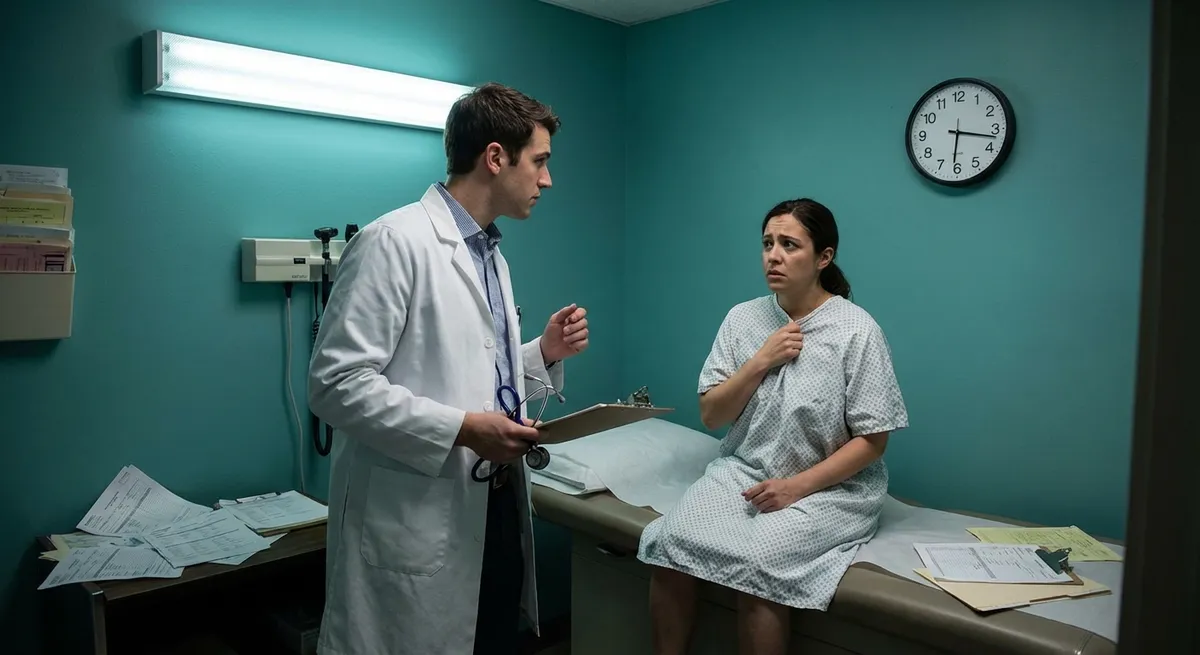
You’ve seen this storyline all over social media: a patient walks into the ER with chest pain, trouble breathing, or crushing fatigue—and walks out with a dismissal and a prescription for anti-anxiety meds.
In a real-world pattern behind many malpractice cases, serious conditions like heart attacks, pulmonary embolisms, and strokes get brushed off as “stress” or “panic.” Women, young adults, and people of color are especially likely to be told it’s “just anxiety” even when textbook red flags are present in their vitals and history. When test results are delayed, never ordered, or never checked, the outcome can flip from survivable to catastrophic.
This kind of case study hits home because it exposes something people feel but rarely say out loud: once you’re labeled “anxious,” everything you report can be downgraded. The legal fallout often centers on what should have been done: baseline labs, imaging, cardiology consults, or simple observation instead of a rushed discharge.
These cases get shared hard online because they validate what so many people have experienced: “I wasn’t dramatic. I was right.”
2. The Charting Black Hole: When Nobody Reads What Everyone Wrote
Picture this: a patient’s chart is full of clues—drug allergies, prior complications, lab warnings—but every provider is sprinting through a 10‑minute window, clicking through pages like pop-up ads. Then comes the event: the “forbidden” drug gets ordered, or the obvious lab trend gets missed, leading to a preventable crisis.
In malpractice litigation, this shows up as a brutal pattern: the information was there, just not actually used. Nurses documented changes, a lab flagged a critical value, a prior note mentioned a dangerous reaction—but no one connected the dots because systems and speed got in the way of safety.
These case stories go viral because they’re terrifyingly relatable in the age of rushed appointments and electronic records. People post screenshots of conflicting portal notes, duplicate meds, or allergy lists that are wrong—and suddenly thousands of others reply, “Wait, this happened to me too.”
Lawyers, in these scenarios, zoom in on one incredibly basic question: Who had the information, and who ignored it? The answer can turn an “unfortunate outcome” into a clear negligence claim.
3. The Surgical Surprise: When the Consent Form Didn’t Match the Reality
In some of the most explosive med mal case studies, the drama isn’t just about what went wrong in the OR—it’s about what the patient never agreed to in the first place.
These are situations where the consent form looked routine, but the surgery turned into something much bigger: an additional procedure, removal of an organ, or a high‑risk approach that the patient never truly understood. Legally, this lives in the world of informed consent: did the patient understand the real risks, realistic alternatives, and what would happen if they said “no”?
Online, people share stories of waking up with scars they didn’t expect, losing fertility they didn’t plan to give up, or discovering later that a “minor” procedure actually carried serious long‑term tradeoffs. That gap—between what was pitched and what actually happened—can become the core of a malpractice case even if the technical surgery was done perfectly.
Courts often look at what a reasonable patient would have wanted to know: Would most people have made a different choice if told the full story? That’s the legal version of the same question people are asking in comment sections: “If they’d told you THAT, would you still have signed?”
4. The Vanishing Follow‑Up: When “No News” Was Definitely Not Good News
Another case pattern exploding across patient forums and TikTok: critical test results that never get communicated. A suspicious mass on imaging, a lab suggesting early cancer, a dangerous heart rhythm—someone saw it, but no one told the patient, and no one scheduled what came next.
In malpractice investigations, this is where the “handoff” and follow-up systems get dissected. Did the lab send the result? Did the doctor review it? Was there a process to notify the patient? Who was supposed to make sure the specialist referral actually happened? When the answer is “no one,” the legal consequences can be huge—especially if the delay allowed a treatable illness to become advanced or life‑threatening.
These stories spread fast because they tap into a shared fear: What if something important is sitting in your chart right now, unclicked and unread? People share screenshots of portal messages they almost missed, or letters that arrived months late, and suddenly thousands of others are double‑checking their own results.
From a legal lens, these cases often turn on the simple, devastating timeline: the date the abnormal result came in… versus the day anyone finally acted on it.
5. The “You’re Fine” Discharge That Turned Into an Ambulance Ride
One of the most haunting case themes: patients sent home from the ER or urgent care, only to crash hard hours later from something that should have been caught or, at least, watched more closely.
Think about a child with a head injury discharged without appropriate observation or imaging, then later found to have bleeding in the brain. Or an older adult with abdominal pain sent home on antacids, later diagnosed with a ruptured appendix or perforated bowel. Or a patient with clear infection signs released without antibiotics, who returns in septic shock.
When these cases turn into lawsuits, the spotlight lands on discharge decisions: What were the vital signs? Were risk scores used? Were return precautions clearly explained? Should the patient have been admitted for observation instead of pushed out the door because beds were tight and the waiting room was packed?
On social media, these stories explode because they shatter the comforting idea that “if they let me go home, it must not be serious.” They fuel a new kind of patient behavior: screenshotting discharge instructions, saving vitals, and sharing timelines publicly—receipts that can later become powerful evidence if things go south.
Conclusion
These med mal case patterns feel like mini horror films—but they’re also roadmaps. They show where the system tends to crack: rushed assumptions, unread charts, flimsy consent, broken follow-ups, and risky discharges. For patients, they’re more than cautionary tales; they’re prompts to get louder, ask sharper questions, and document everything.
For anyone dealing with medical issues right now, these stories aren’t just share-worthy—they’re survival fuel. The more people recognize these patterns in real time, the more chances they have to interrupt the quiet chaos before it turns into a headline, a lawsuit, or a life‑altering regret.
Sources
- Agency for Healthcare Research and Quality (AHRQ) – Patient Safety Network: Diagnostic Errors – Overview of how and why diagnostic errors occur, with real case examples and data.
- The New England Journal of Medicine – Malpractice Risk According to Physician Specialty – Peer‑reviewed research on malpractice claims and patterns across specialties.
- Mayo Clinic – Informed Consent: What It Is and Why It’s Important – Explains the legal and ethical foundations of informed consent in medical care.
- Centers for Disease Control and Prevention – Patient Safety – Federal guidance on safety risks in healthcare settings and system-level failures.
- Johns Hopkins Medicine – Study Suggests Medical Errors Now Third Leading Cause of Death in the U.S. – Widely cited analysis on the scope and impact of medical errors in the United States.
Key Takeaway
The most important thing to remember from this article is that this information can change how you think about Case Studies.