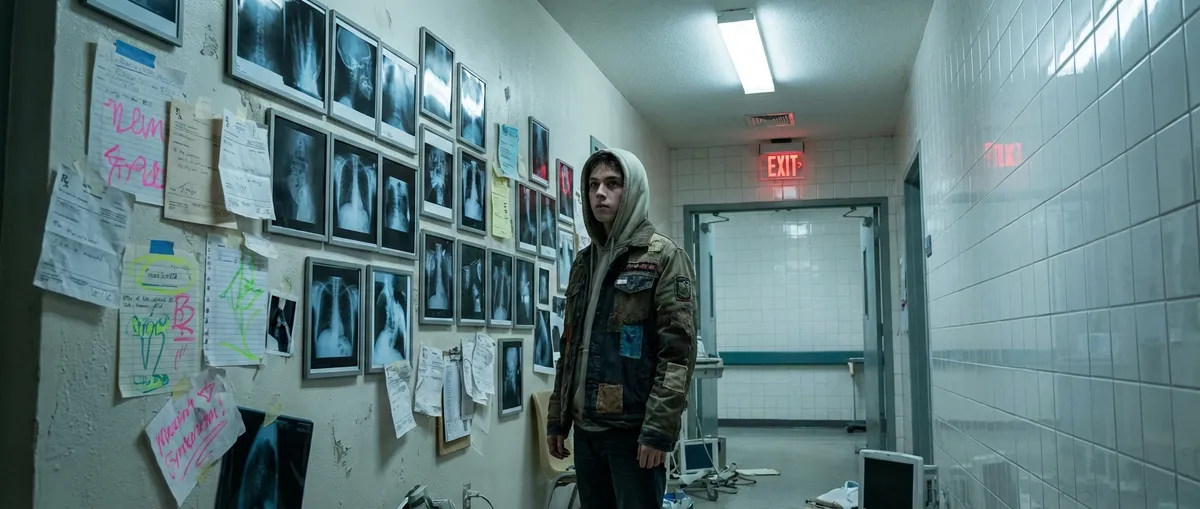
When your medical care goes sideways, it doesn’t feel like “courtroom drama”—it feels like your real life just got glitchy. These med mal case stories aren’t just legal war tales; they’re play-by-play moments where regular people turned “something’s off” into “I’m taking control.” This isn’t about scaring you away from doctors—it’s about handing you the receipts, the mindset, and the moves people actually used when the system failed them.
Bookmark this, send it to your group chat, and maybe even your overly chill family member who says, “I’m sure it’s fine” about everything.
Case Study #1: The “Just Anxiety” Diagnosis That Was Actually a Silent Heart Attack
She was 32, healthy-ish, and told the ER she had chest pain, nausea, and shortness of breath. The doctor did a quick exam, skimmed her chart, and said the line millions of women know too well: “It’s probably anxiety.” She was discharged with anti-anxiety meds.
Spoiler: it wasn’t anxiety.
Later that night, her symptoms exploded. Another hospital visit, a fresh care team, and this time they ran a full workup: EKG, blood tests (troponin levels), and imaging. They found what the first hospital missed—a heart attack in progress.
What turned this from “bad night” into a med mal case?
- The first hospital didn’t follow standard protocols for chest pain (especially high-risk symptoms in women).
- No EKG was done.
- No cardiac enzymes were checked.
- Her complaints were minimized based on her age and gender, not her symptoms.
Why people share this: because it hits a nerve. It shows how “you’re young, you’re fine” bias can literally be deadly—and how asking very specific questions like, “What serious things are you ruling out right now?” can change the outcome.
Case Study #2: The Wrong-Side Surgery That Turned a Consent Form Into Legal Ammunition
A patient went in for knee surgery—left knee, clearly documented. At least, that’s what he thought.
He woke up with bandages on the right leg.
In the world of med mal, wrong-site surgery is a screaming siren. Hospitals have “time-out” rules to prevent this: the surgical team must pause, confirm patient identity, procedure, and body site. When that system fails, it’s usually traceable in the paperwork and operating room notes.
Here’s where this patient flipped the script:
- He kept his copy of the original consent forms that clearly said “left knee.”
- He immediately asked for all of his medical records (including surgical notes and pre-op checklists).
- He didn’t accept, “We’ll fix it, no need to make this a big deal.”
The legal team later compared:
- The pre-op notes
- The consent form
- The surgeon’s internal documentation
The discrepancies basically built the case on their own.
Why people share this: It’s that nightmare scenario everyone jokes about—“What if they operate on the wrong thing?”—except it actually happened. It also shows why that stack of boring papers you sign before surgery could become your most powerful legal evidence later.
Case Study #3: The “Missed Infection” That Blew Up After Repeated Brush-Offs
A teenager had routine surgery and went home feeling… off. Redness around the incision, low-grade fever, weird pain. The family called the surgeon’s office multiple times. Each time, the answer was some version of: “That’s normal. Give it time.”
It wasn’t normal.
By the time they hit the ER, the infection had spread—sepsis territory. The teen needed intensive care and a much longer recovery than if it had been caught early.
The med mal angle here wasn’t just the infection itself; infections can happen even with good care. The issue was the pattern:
- Repeated calls were documented in the office notes.
- Symptoms described by the family matched early warning signs of post-op infection.
- No in-person evaluation or labs were ordered until it was an emergency.
Those phone logs and portal messages became critical evidence that this wasn’t a “no one knew” situation—it was a “no one acted” situation.
Why people share this: It validates what so many families feel—“We kept saying something was wrong, and nobody listened.” It’s also a loud reminder to keep written receipts: secure messages, email confirmations, even text screenshots if they’re from the provider’s system.
Case Study #4: The Medication Mix-Up That Turned a Pharmacy Receipt Into a Legal Lifeline
This patient had a common name, like “John Smith” common. He went to pick up a new prescription and the pharmacist handed over a bag, did the usual “any questions?” routine, and he left.
Within days, he felt off—dizzy, confused, weird heartbeat. A friend told him: “Read your label again.”
He did.
Wrong name on the bottle.
Wrong medication entirely.
Same “John Smith.” Different birthdate.
What made this case more than just a “bad luck” pharmacy moment:
- The pharmacy system showed the wrong profile was clicked.
- The medication he received had known serious side effects for someone with his actual medical conditions.
- He had kept the bag, label, and printed receipt, with timestamps and prescription ID numbers.
That “dumb little receipt” plus the label was everything. It tied the error directly to that specific pharmacy, date, time, and staff.
Why people share this: Because we all speed-run the “pick up meds and leave” ritual. This story makes people pause, re-check their bottles, and share a simple but powerful habit: always confirm your name, date of birth, medication name, and dose before you walk away.
Case Study #5: The “No One Told Me the Risks” Procedure That Turned Into a Consent Battle
A patient agreed to a minimally invasive procedure. The pitch: low risk, fast recovery, “you’ll be back to normal in no time.”
Reality: serious complication, permanent limitations, and a life that looked nothing like the sales pitch.
Complications don’t automatically equal malpractice. But here’s where things changed:
- The patient was never told about a specific, known, significant risk that ended up happening.
- The consent form mentioned “general risks” in vague language but didn’t list the key complication that affected them.
- The provider’s own notes didn’t mention any detailed risk discussion.
In med mal law, there’s a separate concept called failure to obtain informed consent. Even if the procedure was technically done “correctly,” if a reasonable patient would have made a different choice if they’d known the real risks, that can be its own legal claim.
This patient had:
- A clear memory (and notes) of what was actually said during the consult.
- A generic consent form that didn’t line up with professional guidelines for disclosing major, specific risks.
- Follow-up records that showed both the severity and permanence of the complication.
Why people share this: It hits that moment we’ve all had—signing something we barely understand because a doctor seems confident and rushed. This story is the push to start asking: “What’s the worst realistic thing that could happen here, and how often does it happen?”
5 Trending Takeaways People Dealing With Medical Issues Are Sharing Right Now
Here are the moves people are screenshotting, saving, and sending after reading stories like these:
- “If it’s not in writing, it basically didn’t happen.”
Keep copies of:
- Visit summaries
- Test results
- Consent forms
- Secure messages and portal notes
These aren’t just “health clutter”—they’re your timeline if something feels off.
- “Ask what they’re ruling out, not just what they think it is.”
Questions that change the energy in the room:
- “What serious issues are you ruling out right now?”
- “If your guess is wrong, what could this actually be?”
- “What should make me come back immediately?”
- “Second opinions aren’t betrayal—they’re quality control.”
- Your symptoms don’t match the doctor’s confidence level
- You’re told “it’s nothing” but your body says otherwise
- A major surgery or life-changing diagnosis is on the table
- “Trust your gut, but back it up with data.”
- Symptom start date and changes
- Photos of rashes, swelling, wounds
- Home blood pressure or blood sugar readings
Especially if:
Track:
This turns “I feel weird” into “Here’s a pattern you can’t ignore.”
- “The moment you think ‘this might be malpractice,’ start a folder.”
Digital or physical. Include:
- Medical records (you can request them)
- Names and titles of everyone involved
- Timeline of who said what, and when
- Pharmacy receipts, prescription labels, after-visit summaries
If you ever talk to a med mal lawyer, this folder isn’t “extra credit”—it’s a head start.
Conclusion
Med mal case stories aren’t just horror reels—they’re blueprints for how real people noticed red flags, pushed back, and documented their way from “confused patient” to “person with a case.”
You don’t have to memorize legal jargon. You do need to remember this:
- Your questions are not annoying; they’re protective.
- Your paperwork is not clutter; it’s evidence.
- Your instincts are not overreacting; they’re data waiting to be backed up.
If something feels wrong in your medical care, you’re not being dramatic by taking it seriously—you’re doing exactly what the patients in these stories wish they had done sooner.
Sources
- Agency for Healthcare Research and Quality (AHRQ) – Patient Safety Network – Case studies and analyses of real medical errors and system failures
- American Bar Association – Medical Malpractice Overview – Explains how medical malpractice cases work and what patients should know
- Johns Hopkins Medicine – Medical Errors and Patient Safety – Research, patient stories, and strategies to reduce medical harm
- Mayo Clinic – Informed Consent: What It Is and Why It Matters – Clear breakdown of what informed consent should look like
- U.S. Food & Drug Administration (FDA) – Medication Error Reports – Information and examples involving prescription and pharmacy-related errors
Key Takeaway
The most important thing to remember from this article is that this information can change how you think about Case Studies.