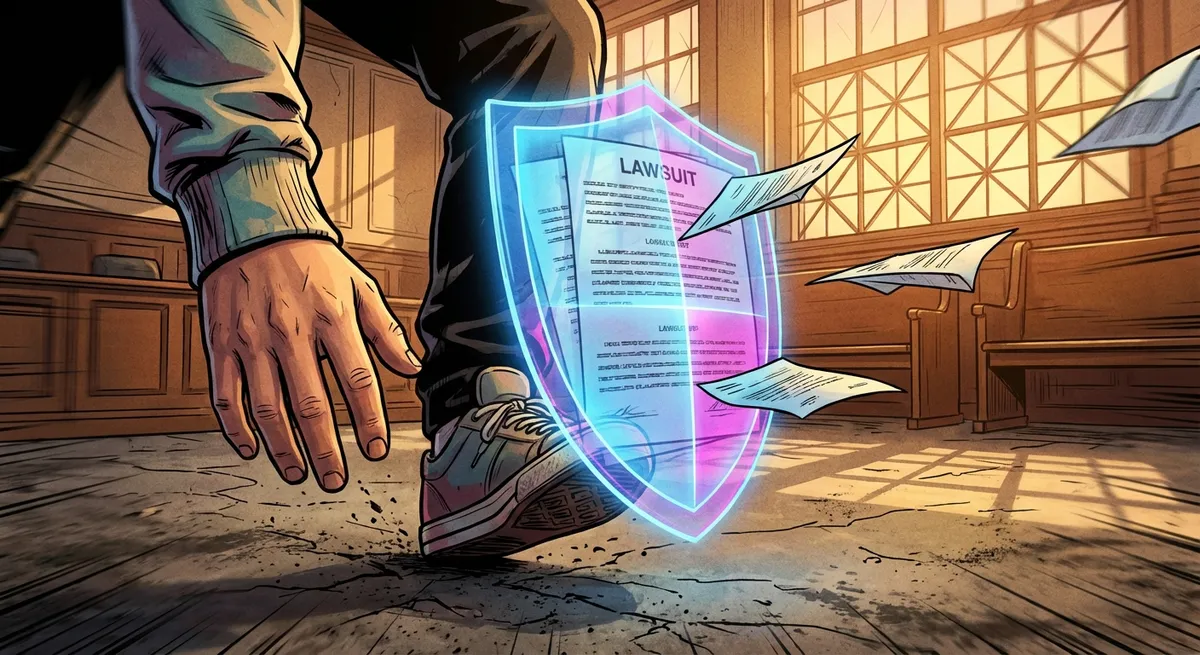
Medical drama doesn’t end when you leave the hospital. For a lot of people, the real plot starts when something feels off—a weird complication, a brush‑off from a doctor, a bill that makes zero sense, or a nagging “This should not have happened.”
This is where most patients freeze:
Do I complain? Do I call a lawyer? Did I sign away my rights? Is this even malpractice—or just bad luck?
Welcome to your legal plot armor era. This isn’t about “suing everyone.” It’s about knowing the behind‑the‑scenes legal moves patients are quietly using to protect themselves when healthcare goes sideways—and how the process actually works when you decide to push back.
Below are 5 trending power points people dealing with medical issues are sharing, saving, and sending to group chats—because once you see how the legal process really plays out, you can’t unsee it.
1. The “Receipt Trail” Is the Real Main Character (Not the Lawyer)
Everyone thinks the legal process starts with a lawyer.
In real life, it starts with receipts—and yes, your messy notes app totally counts.
When something feels wrong after treatment, time is your enemy, and details are your bestie. Med mal cases rise or die on evidence, and that evidence is often created before you even realize you might need a lawyer.
Trending patient moves that quietly change everything:
- Screenshot culture, but make it medical: Patient portal messages, texts with staff, appointment reminders—these are time‑stamped proof of what was said and when.
- Symptom journaling like a crime podcast: Date, time, how you felt, what you were told, who told you. Lawyers and medical experts use this to match your story to the official record.
- Photo and video receipts: Bruises, swelling, surgical sites, devices, meds. Visual proof can reveal timelines and severity that notes alone can’t.
- Billing as a clue, not just a headache: Weird charges sometimes expose procedures or tests you didn’t agree to—or that weren’t documented correctly.
When a legal team finally steps in, the strongest cases are usually the ones where the patient unintentionally became their own low‑key investigator. The legal process doesn’t magically uncover the truth—it organizes the truth you already captured.
2. Your Medical Records Are a Legal Weapon (And You Don’t Need Permission to Grab Them)
Here’s the twist a lot of people don’t realize:
You don’t need a lawyer, a judge, or anyone’s approval to pull your own chart.
Under federal law in the U.S. (hello HIPAA), you have the right to:
- Get copies of your medical records
- See what your doctor actually wrote about you
- Check test results, imaging, medication lists, and discharge notes
- Ask for corrections to factual errors
Why this is a legal process game‑changer:
- You control the starting point. Lawyers will ask for records later anyway; if you already have them, your case review moves faster.
- You can spot red flags early. Missing notes, altered entries, or vague documentation can signal issues your gut already felt.
- You catch “creative storytelling.” Sometimes what was said to you in person doesn’t match what was charted. That disconnect can be legally huge.
- Deadlines don’t wait. Every state has a “statute of limitations” clock on malpractice claims. Getting records early helps you and any future lawyer know whether you’re already racing time.
If you ask for records and the silence is suspiciously loud—delays, resistance, or “we can’t find that”—lawyers pay attention. That behavior can become part of the story if a case moves forward.
3. The “Is This Malpractice or Just Messy Medicine?” Reality Check
Not every medical disaster is malpractice.
Not every bad outcome is legally “bad care.”
But some absolutely are.
When you reach out to a med mal lawyer, the first legal step is usually triage—not of your body, but of your case.
Here’s what happens behind the scenes that patients rarely see:
- Standard of care check: Lawyers and medical experts ask, “Did the provider act like a reasonably careful provider in this situation?” It’s not “Were they perfect?”—it’s “Were they acceptably safe?”
- Causation autopsy: Even if care was sloppy, can anyone prove that error caused your harm? Or was it a known risk of the procedure?
- Damage reality check: Did the mistake create serious, lasting harm—physical, financial, emotional—that’s big enough to justify a lawsuit’s cost and stress?
- Timeline test: Are you still inside your state’s filing deadline, or has the legal clock already run out?
This is where many people are shocked:
Lawyers may say, “Yes, something was off—but no, this doesn’t work as a legal malpractice case.”
Does that mean what happened was okay? No.
It means the legal system has narrow lanes. That’s why patients are increasingly:
- Filing complaints with medical boards
- Reporting patterns to hospital systems
- Posting their experiences to raise awareness (carefully, without defamation)
- Seeking second opinions and switching providers
Your story might not become a lawsuit—but it can still change how someone else experiences care.
4. The “No Courtroom, Still Serious” Reality of How Most Cases End
Picture a malpractice lawsuit and your brain probably jumps to a dramatic courtroom showdown. But the real storyline?
Most med mal cases never see a jury.
They live and die in the world of:
- Pre‑suit notices and negotiations
- Expert reviews
- Depositions in bland conference rooms
- Mediation and settlement talks
Here’s how the process tends to unfold once a lawyer thinks your case is real:
- Investigation phase: Deep dive into medical records, expert opinions, timelines, and your losses (medical bills, lost wages, future care, pain, and suffering).
- Filing the claim: Your lawyer files a complaint, and the provider or hospital responds—usually with defense lawyers funded by malpractice insurance.
- Discovery: Everyone trades documents, takes sworn testimony, and builds their version of the story. This is where documentation and your early “receipt trail” shine.
- Mediation or settlement talks: Many insurers would rather quietly settle than gamble on a jury. You get to decide whether to accept or push forward.
- Trial (if it goes all the way): Public, slow, intense—and rare compared to the total number of claims filed.
Why people are sharing more about this now:
- It kills the myth that “calling a lawyer means I’m going to court.” Often, you’re entering a negotiation process, not a Hollywood drama.
- It highlights that med mal isn’t a quick payday; it’s a grind that patients choose because the harm is real and lasting.
- It explains why strong cases settle—the evidence is so clear that going to trial becomes a bad bet for the defense.
Knowing this ahead of time helps you decide:
Do I have the emotional bandwidth for this journey?
Because a good lawyer will fight hard—but they can’t make the process instant or painless.
5. Silent Support Systems: Why Patients Are Building “Legal Care Teams”
Just like you wouldn’t tackle a major diagnosis alone, people are learning they don’t have to walk the legal process solo either.
What’s trending now isn’t just “find a lawyer.” It’s building a mini support ecosystem around the legal side of your medical story:
- Legal + mental health tag team: Trauma from medical harm is real. Therapy can help you handle depositions, reliving the event, or feeling gaslit by the system.
- Caregivers as document captains: Family or friends help track appointments, file paperwork, and manage your evidence folder so you’re not drowning in details.
- Second‑opinion doctors: Independent specialists can give you honest takes on what went wrong without defending the original provider.
- Financial reality checks: Talking to someone (sometimes your lawyer, sometimes a financial advisor) about medical debt, lost income, and what a realistic settlement could look like.
The legal process is more marathon than sprint. Patients who share their journeys online often say the same thing:
The system is heavy—but it feels lighter when you treat it like another care plan, not a solo battle.
The glow‑up here isn’t “I sued and won.”
It’s: “I understood my options, protected myself, and didn’t let the system steamroll me.”
Conclusion
Medical care can change your life in a single day—so can medical harm.
The legal system isn’t magic, and it’s definitely not fast. But when you know how it works, you move from “I’m powerless” to “I have moves.”
Your plot armor in this whole story looks like:
- A receipt trail you don’t apologize for
- Medical records you’ve actually read
- A reality check on what is and isn’t malpractice
- A clear view of how cases really end (often before trial)
- A support squad so you’re not carrying the legal weight alone
If something went seriously wrong with your care, you don’t have to decide today whether to sue.
But you can start acting like someone whose rights matter—because they do.
And that mindset? That’s the part worth sharing.
Sources
- U.S. Department of Health & Human Services – Individuals’ Right under HIPAA to Access Their Health Information – Explains your legal right to obtain your medical records and how the process should work
- American Bar Association – Medical Malpractice – Consumer‑focused overview of what medical malpractice is and how cases generally proceed
- National Library of Medicine (NIH) – Medical Malpractice: A Comprehensive Overview – In‑depth discussion of malpractice standards, causation, and legal frameworks
- Centers for Medicare & Medicaid Services – Medical Record Keeping and Documentation – Details the importance of accurate documentation in healthcare, which is central to med mal cases
- U.S. Courts – Federal Court System: Civil Cases – General explanation of how civil cases (including malpractice claims) move through the court system
Key Takeaway
The most important thing to remember from this article is that this information can change how you think about Legal Process.