When Austrian officials finally identified 33-year-old Kerstin Gurtner—the woman who froze to death on Austria’s highest peak after her boyfriend allegedly left her behind—the story went global in hours. Headlines focused on the “negligent homicide” charges he’s now facing, but beneath the viral shock is a brutal, uncomfortable truth: being abandoned when you’re vulnerable isn’t just cruel. In many situations, it’s a legal issue that overlaps hard with medical rights, duty of care, and what happens when people around you simply… walk away.
You don’t need to be on a glacier to be at risk. The same legal logic behind this mountain case shows up in hospitals, nursing homes, ambulances, and even everyday emergencies. If you’ve ever wondered, “Can they really just leave me like this?”—this story is your wake-up call.
Let’s break down what Kerstin’s tragic death is spotlighting about your rights when your health is on the line.
1. “Duty to Rescue” vs. “Just Walk Away”: Why Kerstin’s Boyfriend Is Facing Homicide Charges
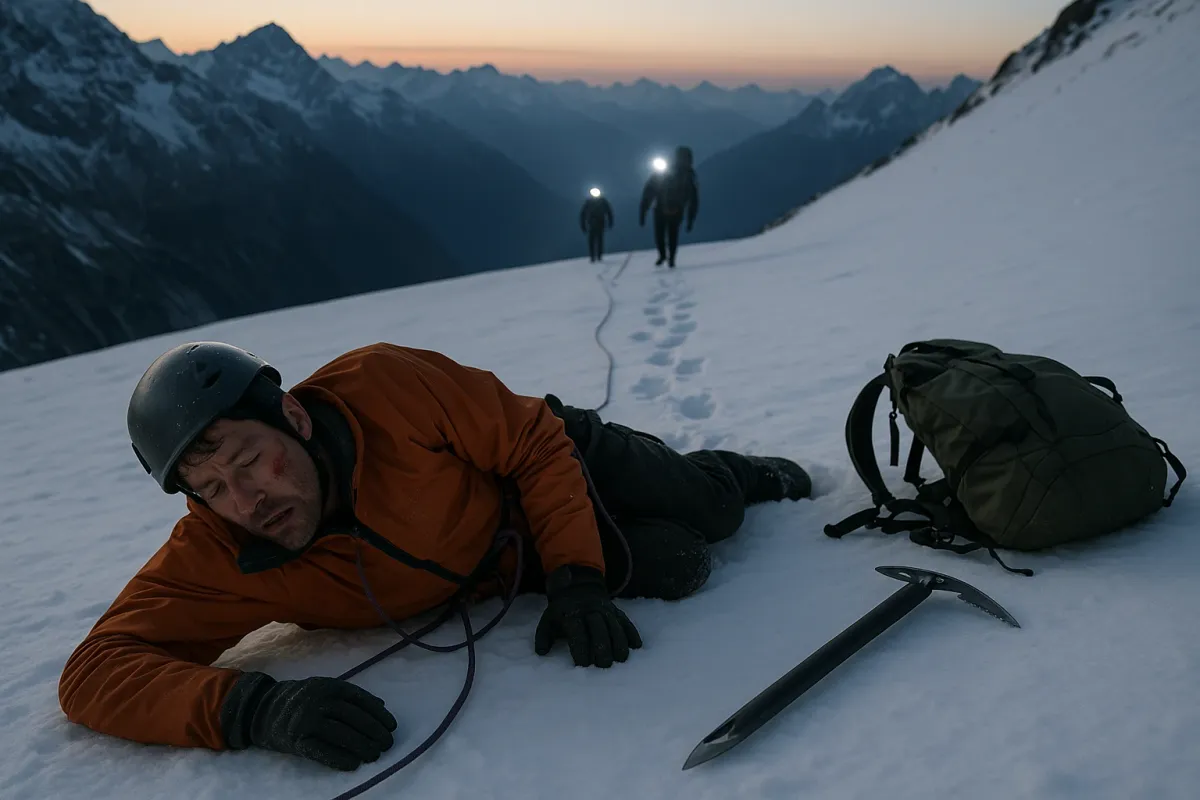
In Kerstin Gurtner’s case, Austrian investigators say she and her boyfriend were climbing Grossglockner, Austria’s highest peak, when conditions went bad. Instead of staying or securing serious help, he allegedly left her behind in freezing conditions. She died. Now he’s facing negligent homicide charges—essentially, the law saying: you had a duty not to abandon her in mortal danger.
Here’s the legal glow-up behind the headlines: in many European countries (including Austria), there’s a legal “duty to rescue” in extreme situations. If someone is in obvious, life-threatening danger and you can help without serious risk to yourself, the law expects you to act—or at least call for help. This isn’t just a mountain rule; the same logic applies when someone collapses in public, has a visible stroke, or is severely injured. In the U.S., the rules are patchier and vary by state, but once a professional (like a doctor, nurse, EMT, or even a ski patrol medic) begins helping you, they usually owe you a higher duty of care and can’t simply bail. Kerstin’s boyfriend isn’t a doctor, but the case is going viral because it hits a deep nerve: when you are helpless, the law does care who chose to walk away.
2. Hospitals Can’t “Mountain Abandon” You: The Hidden Power of Anti-Dumping Laws
Flip the setting from alpine ice to fluorescent hospital lighting. Imagine this: you show up in the ER scared, maybe uninsured, maybe out of network. A staff member says, “We can’t treat you. You’ll have to go somewhere else,” and points you to the door. That’s the healthcare version of being left on a mountain—and in many places, it is flat-out illegal.
In the U.S., a federal law called EMTALA (Emergency Medical Treatment and Labor Act) requires most ERs to do at least two things: (1) medically screen you to see if you’re in an emergency, and (2) stabilize you (or safely transfer you) if you are. They can’t refuse urgently needed care just because of your insurance, immigration status, or ability to pay. That “we don’t take your insurance, go somewhere else” line, when you’re clearly in crisis? Huge legal red flag. Other countries have similar rules baked into national healthcare systems or patient charters. Kerstin’s case is dramatic because it’s on a mountain, but the core idea is the same: when your life or health is spiraling, systems and professionals cannot just abandon you without consequences.
3. Your Partner, Your Friend, Your Guide: When “Bad Choices” Turn Into Legal Liability
One reason Kerstin’s story is blowing up: people are asking, “Wait, is it actually a crime not to save your own girlfriend?” In everyday life, your romantic partner, best friend, or hiking buddy usually doesn’t have the same legal duty as a doctor. But there are lines they can cross. When someone puts you in danger, then fails to help, law and medicine collide in a huge way.
Think about these real-world parallels:
- A sober friend drives you home from surgery, sees you slurring your words and turning blue, and dumps you on the couch instead of calling 911.
- A partner “supervises” you after a new medication but ignores obvious signs of overdose or stroke.
- A caregiver or roommate watches you fall, hears you hit your head, and decides to “wait and see” instead of getting urgent care—then lies about the timeline later.
In many legal systems, once a person creates or shares responsibility for the danger, or agrees to look after you, they can be held liable for doing nothing when things go critical. That might mean criminal charges (like in Kerstin’s case) or civil lawsuits for wrongful death or negligence. The big takeaway: you’re not overreacting if you feel deeply wronged when someone leaves you in a medical crisis. The law often agrees with you more than you think.
4. Medical Pros Can’t “Tap Out” Mid-Crisis: Walkaways, Abandonment, and Your Right to Continuity
Medical abandonment isn’t just a metaphor—it’s a legal term, and cases like Kerstin’s crank up public awareness around it. Once a healthcare provider starts treating you, they generally can’t just ghost you mid-crisis without:
- Proper notice,
- A reasonable opportunity to find other care, and
- Making sure you aren’t dumped into avoidable danger.
- A doctor abruptly ending care for a high-risk pregnancy without handing off to another OB.
- A home health nurse suddenly stopping visits for a fragile patient with no replacement arranged.
- A surgeon canceling all follow-ups after a complication, forcing you to chase emergency help alone.
Examples that can cross into medical abandonment:
Kerstin’s case hits people so hard because it mirrors what many patients fear: being left alone exactly when things are most dangerous. But unlike a random breakup, walking away in the middle of a medical crisis can be malpractice. Professional codes—from doctors to EMTs to mountain rescue teams—are built around not doing what her boyfriend is accused of doing: abandoning someone who can’t protect themselves.
5. Screenshot This: What To Do Right Now If You’re Afraid Of Being Left In A Medical Emergency
The Austria case is dramatic, but the lesson is brutally practical: you need a game plan for those moments when you’re too weak, too scared, or too out of it to advocate for yourself—and when the people around you may panic, minimize, or walk away.
Here’s how to turn this tragedy into a protection checklist you can actually use and share:
- Spell out your emergency rules. Tell partners, roommates, friends: “If I pass out / can’t speak / seem confused, you call 911 (or your country’s emergency number) immediately. No debate.” Say it out loud. Put it in a note.
- Create a “no-heroics” boundary. Make it clear you want professional help, not “tough it out” experiments. “If I say ‘I’m fine’ but I look not fine, I still want help.”
- Put your risks in writing. Chronic illness? Severe allergies? Heart, lung, or mental health conditions? Keep a short list on your phone lock screen, in your wallet, or as a medical ID—so strangers know you’re high risk and feel empowered to get help fast.
- Document bad behavior early. If a hospital tries to send you away while you’re clearly in crisis, note names, times, and exact phrases. If someone in authority refuses to treat or transfer you safely, calmly say: “I want this documented in my chart.” That sentence can change attitudes.
- Know who to call next. After the emergency—especially if you were refused care, discharged unsafely, or literally left alone when you needed help—talk to a lawyer who handles medical negligence or patient rights. What feels like “just a horrible experience” may actually be a textbook legal case.
The Kerstin Gurtner tragedy is a haunting reminder: when your life is on thin ice, who stays—and who walks away—matters legally, not just emotionally.
Conclusion
Kerstin’s death on Austria’s highest peak isn’t just a viral heartbreak; it’s a live, real-time case study in what it means to have a right not to be abandoned when your body is in crisis. From negligent homicide charges in the Alps to anti-dumping laws in crowded ERs, the message is the same: when your health collapses, the law doesn’t always shrug and say, “Well, that’s between you and your luck.”
If this story hit a nerve—if you’ve ever felt brushed off, rushed out, or flat-out left alone when you were scared about your symptoms—don’t just move on. Share this, save it, send it to the people who might someday be the ones standing next to you in an emergency. Your circle needs to know: in the worst moments, “I didn’t want to get involved” isn’t just cold. It can be illegal.
Key Takeaway
The most important thing to remember from this article is that this information can change how you think about Legal Rights.