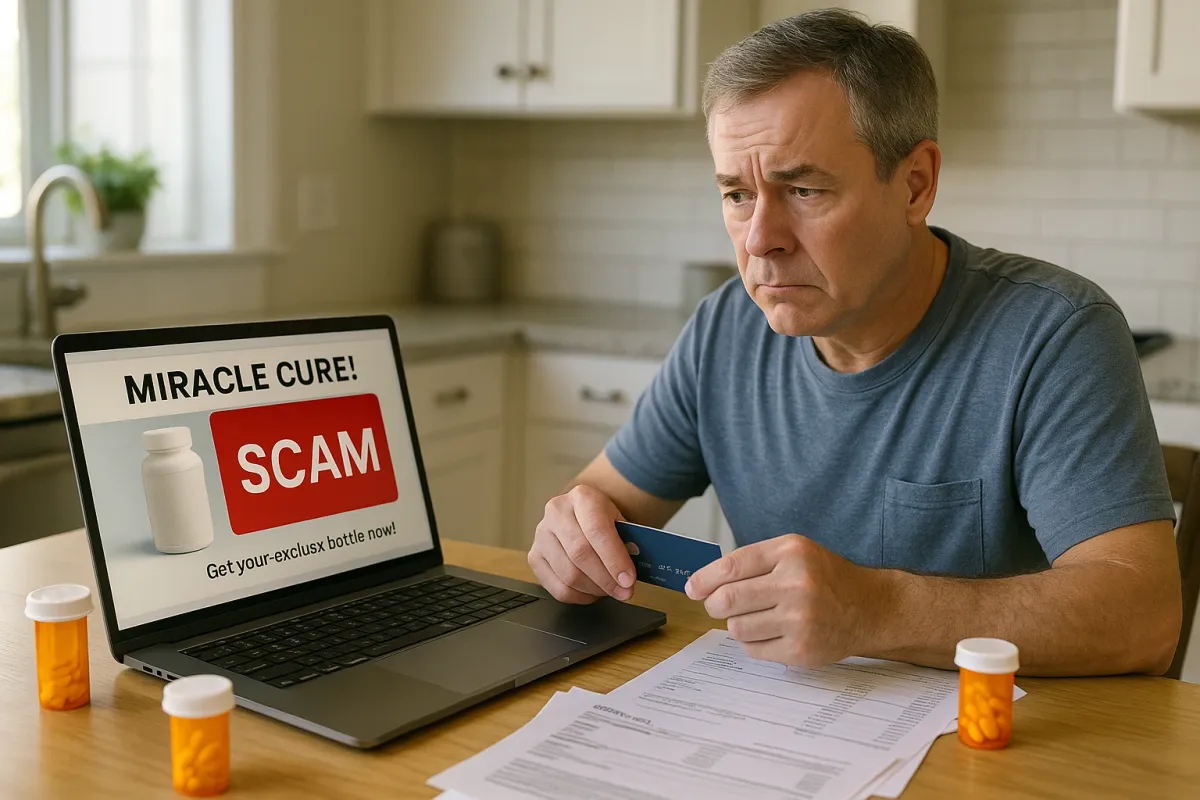
There’s a reason posts about scams are blowing up online right now—people are DONE being played. When Redditors started sharing the scams they fell for “so others won’t,” the internet couldn’t look away. From fake accident calls to “urgent” money requests, these stories are going viral because they tap into one brutal truth: scammers LOVE chaos, fear, and confusion… exactly what you feel in a medical crisis.
Here’s the twist for Med Mal Q: those same scam tactics are creeping into healthcare—through shady billing, fake “urgent” treatments, and medical providers who bank on you being overwhelmed. If scammers can hustle you on the phone, imagine what’s possible in a hospital when you’re in pain, sedated, and scared.
Let’s flip the script. Inspired by that viral “I fell for a scam so you don’t have to” trend, here’s how to stop medical scams, bait-and-switch billing, and pressure tactics before they wreck your health and your wallet.
Stop The “Urgent” Pressure: If They Rush You, Pause Hard
Just like those fake “your relative was in an accident—send money now” scams, shady medical situations often start with one word: URGENT. Yes, in a true emergency, speed saves lives. But outside the ER? Pressure is a red flag.
If a provider, clinic, or billing office says:
- “You must pay this now or your appointment is canceled.”
- “Sign this consent—no time to read it, the doctor is waiting.”
- “If you leave, your insurance won’t cover anything.”
Hit the brakes.
What to do instead:
- Say: “I’m not refusing care. I just need a moment to understand what I’m signing/paying for.”
- Ask: “Is this medically urgent right now, or just administrative?”
- If you’re conscious, ask someone with you to write down exactly what’s being said.
Why it matters: In med-mal cases, those rushed, confused consent moments are where a ton of legal battles start. If the “urgency” is paperwork, not your blood pressure, you’re allowed to slow it down.
Screenshot Everything: Turn Your Phone Into Your Anti-Scam Shield
Reddit threads about scams are full of screenshots—emails, texts, fake websites. That same energy belongs in your medical life. Hospitals and clinics lose notes, “forget” what they promised, or “misremember” what they told you. Your receipts? Screenshots.
Here’s what to capture:
- Appointment reminders, pre-op instructions, and any message that says “no charge” or “covered.”
- Insurance approval emails/texts for procedures, meds, or imaging.
- Patient portal messages where staff confirm costs, risks, or options.
- Any time someone changes the story—before and after screenshots.
- After a confusing convo, send a message through the patient portal:
Bonus move:
“Just to confirm, you said today that… [summarize]. Is that correct?”
Their reply is time-stamped proof.
Why it matters: When medical negligence or billing fraud hits the fan, screenshots can be the difference between “your word vs. theirs” and “here’s exactly what you told me.”
Verify Like You Would With A Netflix Hack: Double-Check Every “Official” Contact
Scam culture 101: never trust a random number claiming to be your bank. But people drop that rule the second someone says, “Hi, this is billing from your hospital…”
If you get:
- A call saying you owe an “urgent medical balance”
- A text with a “secure link” to pay a bill
- An email about a “denied claim” needing your credit card
Do not click, pay, or share info.
Instead:
- Hang up (politely or not, your choice).
- Go directly to your patient portal or the hospital’s official website.
- Call the main published number, ask to be transferred to billing, and confirm if the call or message was legit.
Extra safe moves:
- Turn on two-factor authentication (2FA) for your insurance and portal accounts.
- Ask your insurance to set a verbal passcode so no one can call pretending to be you.
Why it matters: Medical identity theft is a real thing—people have discovered loans, fake surgeries, and bogus prescriptions in their name. Verifying every “official” contact is prevention, not paranoia.
Treat Every Medical Bill Like A Scam Until Proven Otherwise
That viral Reddit thread about scams is basically a museum of hidden fees and fine print. Healthcare bills play the same game—just with more zeros.
Before you pay:
- Ask for an itemized bill (not just “hospital services – $4,132.87”).
- Circle anything you don’t understand and ask:
- Look for these classic trap charges:
- “Facility fee” from a clinic that’s technically “hospital-based”
- Medications charged at 10x normal cost
- Duplicate tests or imaging
- Services labeled “out-of-network” even though the hospital is in-network
- Call your insurer and ask:
- If the hospital won’t budge, say the magic words:
“What is this, exactly? Was it medically necessary? Was it in-network?”
If something looks off:
“Can you walk me through exactly what you were billed and why?”
“I’d like this reviewed by your billing compliance department.”
Why it matters: Overbilling and improper coding can cross the line into fraud or abuse. At minimum, it’s often negotiable. Plenty of people have slashed bills just by asking questions—think of it as scam-proofing your statements.
Build Your “Medical Hype Squad” Before Things Go Sideways
Nobody reads the fine print when they’re crying in pain—or waking up from anesthesia. That’s how people agree to things they don’t understand, miss red flags, or get gaslit into believing “everything is normal” when it’s absolutely not.
You need a pre-built support system:
- Pick one person (partner, sibling, friend) to be your “medical buddy.”
- Share your:
- Preferred hospital/clinic
- Insurance info
- Allergies and key diagnoses
- Emergency contacts
- Tell them: “If I’m admitted or in surgery, your job is to ask questions, take notes, and never be afraid to say, ‘We need a minute.’”
- Your hype squad should:
- Write down names, times, and what staff say
- Ask: “What are the risks? What are the alternatives? What happens if we wait?”
- Request copies of records early—not months later when memories are fuzzy
When things go wrong:
Why it matters: In many malpractice stories, the patient was too sedated, scared, or exhausted to fight for themselves. A prepared, vocal support person is like having a personal anti-scam firewall in the room.
Conclusion
The internet is obsessed with scam stories right now because they’re personal, humiliating, and painfully avoidable in hindsight. Medical nightmares feel exactly the same—except the stakes are way higher than a hacked credit card.
If you remember nothing else, take this with you:
- Rushed = suspicious.
- Screenshots = power.
- Verify everything.
- Interrogate every bill.
- Never go into the medical system alone if you can help it.
Share this with someone who’s juggling appointments, weird bills, or scary symptoms. Nobody should have to say, “I can’t believe I fell for that” about their own healthcare.
Key Takeaway
The most important thing to remember from this article is that this information can change how you think about Prevention Tips.