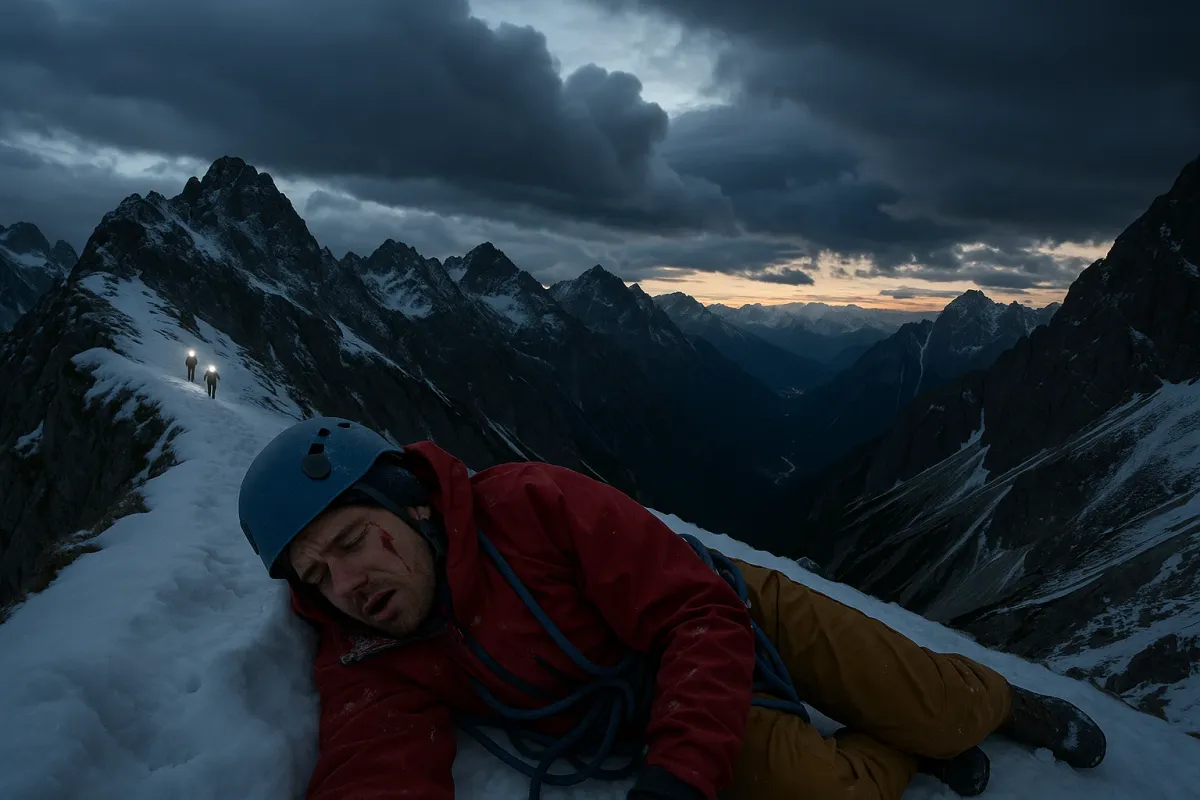
When 33-year-old Kerstin Gurtner was finally identified as the woman who froze to death on Austria’s highest peak, the headline sounded like a grim travel horror story. But zoom in and you’ll see something way more relevant to everyday patients: this is a real-time case study in duty of care, abandonment, and what happens when someone in crisis is left behind.
Her boyfriend is now facing negligent homicide charges after allegedly leaving her in extreme conditions on the Großglockner. It’s a mountaineering nightmare—but the themes running through this case are the same ones that show up in medical malpractice lawsuits every single day: who owed a duty, what “reasonable care” looks like, and when walking away becomes deadly.
Let’s break down the case as if it were a med-mal file—because the legal logic behind a deadly hike is uncomfortably similar to what happens when a patient is abandoned in a hospital hallway.
1. The “You’ll Be Fine” Trap: When Downplaying Risk Turns Deadly
Reports from the Austrian investigation suggest the couple was climbing in brutal weather above 3,700 meters, where wind chill and exhaustion are not “minor problems”—they’re life-or-death variables. Prosecutors say the boyfriend allegedly left Kerstin behind when she could no longer continue, and pushed on alone instead of getting help or forcing a descent.
That “it’ll be fine” mindset is exactly how a ton of medical negligence stories start. A patient says, “Something feels wrong,” and someone with more control over the situation—doctor, nurse, tech, or even a guide on a mountain—waves it off as overreaction or inconvenience. In med-mal cases, this shows up as ignored chest pain, “just anxiety” strokes, or post-op complications written off as “normal healing.” The Austria case is a harsh reminder: when a person is clearly struggling, minimizing their symptoms isn’t neutral—it can be the first step in a chain of deadly decisions.
Key takeaway to share: If you feel unsafe—physically or medically—“it’s probably nothing” is not a plan. Push for documentation, second opinions, or a change of course. Silence is what lawsuits get built on later.
2. Duty To Stay vs. Decision To Leave: The Core Legal Question
On that mountain, there were no doctors, no nurses, no hospital policies. But the legal conversation sounds eerily like a malpractice trial. Investigators are asking: Did the boyfriend have a duty to stay with Kerstin, call for help in time, or turn back? Was leaving her there an understandable survival choice—or criminal negligence?
In healthcare, the “duty to stay” is crystal clear. Once a physician–patient relationship is established, walking away without proper transition is called patient abandonment—and yes, it’s a classic med-mal trigger. That can look like:
- Discharging a clearly unstable patient because “beds are full”
- Leaving a post-surgical patient unmonitored for hours despite alarms
- Handing off a complex ICU patient with no real handoff (just a name on a whiteboard)
The Austria case is becoming a real-world parallel: the law doesn’t just ask what happened; it asks, “Once you took responsibility for this person, did you simply walk away?”
Key takeaway to share: Any time someone is “in charge” of your safety—from surgeons to hospitalists to urgent care providers—they don’t get to casually disappear. If you’re being discharged or handed off and it feels rushed or incomplete, say: “I’m not comfortable with this plan. Can you document that in my chart?”
3. Hypothermia, Confusion, And Consent: When The Patient Can’t Advocate
Hypothermia isn’t just about feeling cold—it scrambles the brain. Victims become confused, irrationally tired, and often try to minimize how bad things are. On Großglockner, once Kerstin’s core temperature started dropping, she likely wasn’t in any condition to make clear decisions, argue, or insist on turning back.
Sound familiar? In hospital case studies, some of the worst outcomes happen when patients are sedated, in shock, septic, post-op, or simply too exhausted to speak up. Consent forms get waved through. Nursing notes say “patient comfortable” when the patient is actually too delirious to complain. Families are left guessing what their loved one would want.
The Austrian prosecutors are indirectly wrestling with this: when one person is losing the ability to protect themselves, the other person’s duty skyrockets. That same concept underpins countless malpractice verdicts—especially in stroke, sepsis, and ICU sedation cases.
Key takeaway to share: If someone you love is hospitalized and not fully alert, they need a medical “mountain partner”—a family member or friend who stays, asks questions, and keeps a record. Don’t wait for a crisis to pick that person; decide in advance who will speak for you if you can’t.
4. Negligent Homicide vs. Medical Negligence: Same Questions, Different Setting
The boyfriend is now facing negligent homicide charges—a criminal label, not just civil liability. But the underlying questions investigators ask are almost identical to the questions in a med-mal lawsuit:
- What would a reasonable person in the same situation have done?
- Were there safer options that were obviously available?
- Did the accused ignore clear signs of danger?
Swap “boyfriend” for “ER doctor” and “mountain storm” for “unstable vital signs” and you’ve basically got the framework of a malpractice case. In both situations, no one expects perfection. The law expects reasonable, timely action that matches the risk level in front of you.
That’s why details matter so much: texts, GPS data, weather reports, and climbing logs in Austria; nurse charting, vital sign flowsheets, and med administration times in hospitals. When things go wrong, the record becomes the story.
Key takeaway to share: For any serious medical situation, keep your own mini-record: dates, names, what you were told, and when symptoms changed. Courts and complaints boards love specifics—and you can’t rely on hospital notes to capture your side of the story.
5. From Viral Headline To Personal Checklist: How To Not Be “Left On The Peak”
This Austria case is going viral because it’s dramatic: a couple, a deadly mountain, a boyfriend now under criminal investigation. But the deeper lesson is uncomfortable: “being left” in a dangerous situation happens in quieter, more everyday ways all the time—especially in healthcare.
So treat this tragedy like a personal safety fire drill and run through this quick checklist:
- Who’s my “mountain partner” in healthcare?
Pick the person who will show up to appointments, ask blunt questions, and say, “This doesn’t look right” when you’re too tired or scared.
- Do I know my red flags?
Just like climbers track weather and altitude risks, patients should know their personal emergency signs: crushing chest pain, facial droop, sudden confusion, inability to breathe, or new weakness are not “wait and see” moments.
- What’s my exit plan?
If a doctor dismisses your concerns, what’s your next move? Second opinion? Different hospital? Telehealth? Decide in advance you won’t “tough it out” in a system that’s clearly not listening.
- Am I documenting anything?
Take photos of medication labels, wound changes, or rashes. Screenshot portal messages. Jot down times when you reported something and who heard it. That’s your insurance policy if things blow up later.
- *Do I know where to go if I think I was abandoned?*
Patients who suspect negligence often wait months out of confusion or guilt. You don’t have to start with a lawsuit—you can start with a patient advocate, state medical board, or a med-mal attorney consultation to simply get clarity.
Key takeaway to share: You may never set foot on a mountain—but you will absolutely navigate risky terrain in the healthcare system. Don’t hike it alone, don’t ignore the storm clouds, and don’t be afraid to turn back and demand a safer route.
Conclusion
Kerstin Gurtner’s death on Austria’s highest peak isn’t just a tragic travel headline—it’s a raw, real-time case study in what happens when duty of care collapses in the moment it’s needed most. The boyfriend now facing negligent homicide charges is one extreme example of a pattern we see again and again in med-mal: someone in power decides, “You’ll be fine,” and walks away.
If there’s one thing to take from this story, it’s this: your safety is not optional, and neither is someone’s responsibility to protect it once they’ve taken charge. Whether you’re tied into the same climbing rope or lying in a hospital bed, you deserve someone who doesn’t leave you on the peak.
Share this with the friend who always says, “I don’t want to bother the doctor,” the sibling who goes to appointments alone, or the partner who insists they’ll “tough it out.” Sometimes the difference between a close call and a catastrophe is just one person who refuses to walk away.
Key Takeaway
The most important thing to remember from this article is that this information can change how you think about Case Studies.