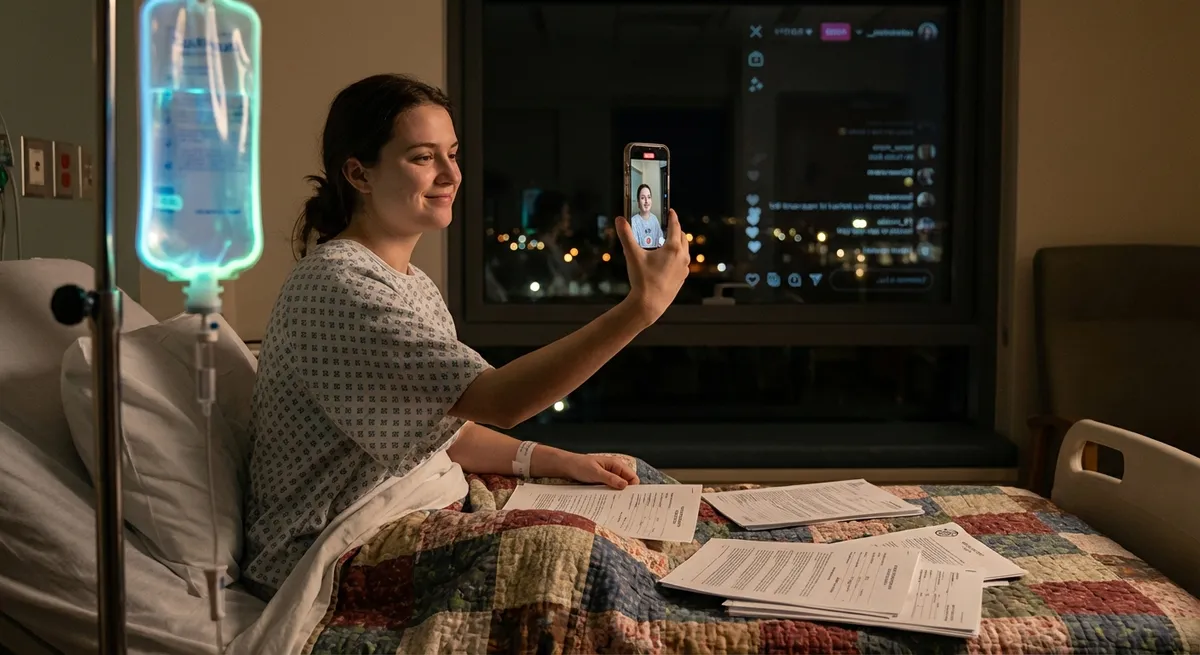
You’re in a hospital gown, not a power suit, but suddenly your life feels like a legal thriller. Only… no one handed you the script. That’s where this guide comes in.
This isn’t courtroom fanfic. It’s the behind-the-scenes breakdown of how a medical malpractice case really moves through the legal system — minus the legal snooze-fest. Think of this as your shareable, screenshot-worthy roadmap from “Something went very wrong” to “Okay, I know my next move.”
The Legal Timeline: Your Case Is a Season, Not a Single Episode
Medical malpractice cases don’t happen in one big dramatic scene. They unfold in phases, more like a series than a single movie.
First comes spotting the “this isn’t right” moment — a bad outcome alone isn’t malpractice, but a pattern of strange answers, missing info, or obvious errors might be. Then you hit the “get receipts” era: requesting your medical records, lab results, imaging, and even patient portal messages. This isn’t overreacting; it’s documenting.
Next, if a lawyer thinks your case has legs, they’ll often consult medical experts who quietly review your records and decide: was this just bad luck or a breach of the standard of care? If they’re on board, your attorney files a formal complaint, which is the legal “We’re serious” moment that officially starts the lawsuit.
Then it’s discovery time — lawyers swap evidence, take depositions, and build the story of what really happened. Most cases never see a jury; they end in settlement talks, mediation, or dismissal. If your case does go to trial, that’s the season finale: witnesses, experts, cross-exams, and a verdict that can’t give you your old life back, but can deliver accountability and compensation.
Trending Point #1: Screenshots, Portals, and DMs Are Quietly Becoming Evidence
Your patient portal isn’t just a convenience; it can be legal gold.
Those timestamped messages like “I’m in severe pain, no one has checked on me” or “My symptoms are getting worse” don’t just disappear into the void. They can show what you reported and when — and sometimes how the system dropped the ball.
Same with texts and emails about your care. “The nurse gave me the wrong dose but told me it was fine” sent to a friend? That could back up your memory of what happened. Even photos you snapped of your meds, your incision, or your room setup can matter more than you think.
Here’s the twist: don’t edit, rewrite, or delete. Leave your digital trail as-is. If you’re wondering whether you should post your story on social media right away, hit pause and talk to a lawyer first. You don’t have to stay silent forever — but you do want your public story to match your legal one.
This is the era where your phone is both your lifeline and your witness. Use it wisely.
Trending Point #2: “Informed Consent” Is Getting a Reality Check
We used to treat signed consent forms like magic shields for hospitals. Not anymore.
“Informed consent” legally means you understood the real risks, benefits, and alternatives to your treatment — and had a chance to ask questions. A rushed “Just sign here” with zero actual talk? That’s not true informed consent; that’s paperwork theater.
In med mal cases, lawyers are increasingly asking:
- Were the risks explained in plain language, not jargon?
- Were reasonable alternatives (including doing nothing) discussed?
- Did the patient have enough time — and mental clarity — to decide?
- Do the chart notes back up that real consent talk actually happened?
If your experience was “I was scared, medicated, and told I had no choice,” that’s not a vibe; that could be a legal issue. Especially in procedures with serious risks, judges and juries are paying closer attention to whether doctors actually communicated, not just collected signatures.
The takeaway: consent is a conversation, not a checkbox. If you didn’t get one, that gap can become a powerful part of your legal story.
Trending Point #3: Second Opinions Are Becoming Built-In Legal Protection
Getting a second opinion is no longer you “being difficult.” It’s becoming a standard safety move — and it can shape your legal options.
Imagine: one doctor dismisses your symptoms, another runs tests and finds something serious. That contrast isn’t just validation; it can highlight where the first provider dropped the ball. In a lawsuit, those differences in diagnosis, timing, or urgency can be huge.
Second opinions can help:
- Catch misdiagnoses or delayed diagnoses earlier
- Document when a reasonable provider would have acted differently
- Create a clearer timeline of when things should have changed
More health systems and insurers are even encouraging second opinions for big surgeries and major diagnoses. That means juries are less likely to see it as overreacting and more as smart self-advocacy.
If you feel like something’s off, you’re not betraying your doctor by checking. You’re building a record — and if your case ever goes legal, that record might be the difference between “unfortunate outcome” and “avoidable harm.”
Trending Point #4: Med Mal Cases Are Quietly Pushing Hospitals to Change
Your case isn’t just about you — and that’s not just a motivational quote.
Behind the scenes, medical malpractice cases are forcing hospitals to confront system failures: broken communication handoffs, understaffing, confusing medication processes, or ignored safety protocols. When a case exposes those issues, risk managers and administrators often scramble to fix them.
That might look like:
- New checklists to prevent surgical or medication errors
- Updated policies on nurse-to-patient ratios or monitoring
- Required training on communication, consent, or bias
- Tech changes in electronic health records to flag risky situations
You may never get a press release saying, “This changed because of your lawsuit.” But legal pressure is one of the most powerful tools patients have to make systems safer for the next person in that bed.
So when people say, “Why sue? Money won’t fix it,” they’re missing the bigger picture. Sometimes the only language a big system hears is legal action — and your case can be the thing that finally turns a near-miss pattern into must-fix policy.
Trending Point #5: State Laws Can Make or Break the Size of Your Case
Two people can suffer nearly the same medical harm — and end up with wildly different legal outcomes — just because they live in different states.
Here’s why that’s blowing up in legal conversations right now:
- Damage caps: Some states limit how much you can get for “non-economic” damages like pain, suffering, or loss of enjoyment of life. Others don’t. That can shrink or expand your case value dramatically.
- Deadlines (statutes of limitations): You usually have a set time window to file — anywhere from about 1 to several years — with special rules for kids or late-discovered injuries. Miss it, and your case can vanish before it starts.
- Pre-suit hoops: Some states require you to file a special notice, get a medical expert affidavit, or go through a review panel before you can even sue.
These rules aren’t side notes; they shape everything from strategy to timeline to whether a lawyer can take your case at all. That’s why scrolling generic med mal advice is risky — if it doesn’t match your state, it might be flat-out wrong for you.
The move? When something feels off medically, don’t wait to “see how it plays out” for a year. Get legal eyes on your situation early enough that your options are still wide open.
Conclusion
You don’t need a law degree to understand what’s happening in your own story.
The legal process behind medical malpractice cases is shifting in real time: digital trails are becoming powerful, consent is under a microscope, second opinions are respected, lawsuits are quietly remolding hospital policies, and state laws are drawing hard lines around what’s possible.
If your gut is screaming that something about your care wasn’t just “one of those things,” you’re not being dramatic — you’re noticing the starting point of a legal journey. Save your records. Screenshot your portals. Write down dates. And talk to someone who can translate your experience into legal realities, not just hospital excuses.
Because your case isn’t just about blame; it’s about clarity, accountability, and making sure what happened to you doesn’t keep happening on repeat.
Sources
- U.S. National Library of Medicine – Medical Malpractice Overview - General explanation of what medical malpractice is and how claims work
- American Bar Association – Medical Malpractice FAQ - Consumer-focused breakdown of med mal basics and legal steps
- Agency for Healthcare Research and Quality (AHRQ) – Patient Safety Primer - Discusses how malpractice ties into patient safety and system issues
- National Cancer Institute – Second Opinions - Explains why and how patients seek second medical opinions
- Centers for Disease Control and Prevention – Informed Consent in Healthcare - Federal guidance on what informed consent should include and why it matters
Key Takeaway
The most important thing to remember from this article is that this information can change how you think about Legal Process.