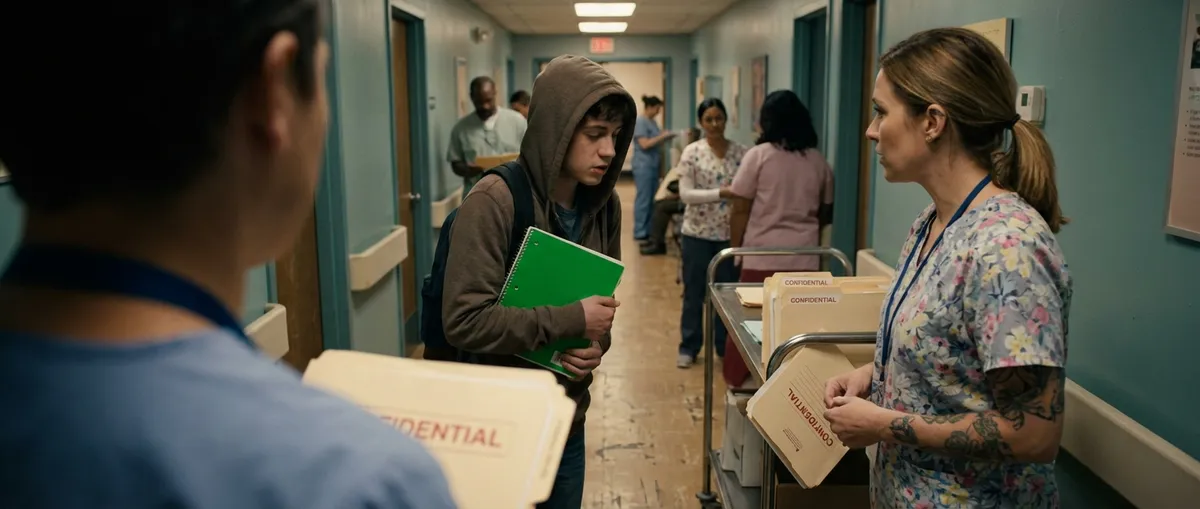
When medicine goes sideways, the story doesn’t end in the exam room—it echoes in group chats, Reddit threads, and, sometimes, courtrooms. These real-world case study trends are reshaping how patients show up, ask questions, and protect themselves. If you’ve ever left an appointment thinking, “Something feels off, but I don’t know what,” this is your signal to tune in.
We’re breaking down five powerful, share-worthy shifts pulled from modern medical malpractice case stories—what went wrong, what changed, and how you can use that knowledge to stay safer and louder in your own care.
Case Studies Are Turning “Gut Feelings” Into Evidence
In case after case, one pattern keeps popping up: patients knew something felt wrong long before anyone took them seriously.
These aren’t just vibes—they’re early warning signs that, when documented, can become real legal power. Judges, juries, and expert witnesses now regularly look at symptom journaling, patient portal messages, and even phone screenshots to understand what actually happened over time.
Case files show that people who tracked their symptoms, saved messages, and wrote down who-said-what at each visit were often able to prove delays in diagnosis or missed red flags. What used to be “my word vs. theirs” is now “my word, plus receipts.”
This trend has shifted the idea of “being a good patient.” It’s no longer just showing up and nodding; it’s showing up with data, timelines, and questions you’ve already thought through. In modern med mal stories, the quiet “something feels wrong” moment is no longer the end of the conversation—it’s the starting point of a paper trail.
Shareable takeaway: Your feelings are the smoke alarm. Your notes are the fire report.
The Group Chat Effect: When One Story Changes Everyone’s Next Appointment
In a lot of recent med mal case narratives, things really change after the lawsuit—because that’s when the story finally hits the group text, Facebook support group, or neighborhood chat.
Here’s what’s trending:
- One person’s “I wish I’d asked this” becomes everyone else’s new must-ask question.
- Misdiagnosis stories are inspiring people to push for second opinions before things get critical.
- Case outcomes—especially when a settlement or verdict confirms something went wrong—are encouraging others to revisit past “weird” experiences that never sat right.
What used to be “I don’t want to make a fuss” is being replaced with “I’m not going through what my cousin/friend/coworker did.” Case studies featuring missed strokes, delayed cancer diagnoses, or medication mix-ups are literally changing what people say at their next visit: more “Can you explain why you’re choosing this test?” and less silent nodding.
The legal world is noticing this too. Attorneys now see clients walking in with screenshots of long message threads where family and friends were saying, “This doesn’t sound right. Push harder.” That social proof can support the idea that the patient did try to raise concerns and wasn’t just second-guessing after the fact.
Shareable takeaway: Every medical story you tell your people upgrades their next appointment strategy.
From “Doctor’s Notes” to “Patient Receipts”: The New Documentation Power Move
Classic med mal cases used to be all about the chart: what the doctor wrote, what the nurse documented, what the lab report showed. Now, modern case files are including a new category: patient-side records.
Think:
- Screenshots of portal messages that went unanswered for days or weeks
- Time-stamped photos of rashes, swelling, or post-op changes
- Lists of meds and side effects tracked in apps or notes
- Audio (where legal) or written summaries of what was said in the room
In wrongful treatment or failure-to-diagnose cases, this patient-generated data is often what shows the “before and after” gap: how symptoms evolved, how often concerns were raised, and how long it took to get a meaningful response.
This shift is powerful because it changes the vibe from “The doctor controls the record” to “We’re telling the full story from both sides.” Even when a case doesn’t end in a lawsuit, this kind of documentation helps patients get better second opinions and clearer explanations.
Shareable takeaway: If your body is the main character, your notes are the script that keeps the plot honest.
Second Opinions Are Going From “Extra” to Essential
Case study after case study reveals a pattern people are now sharing everywhere: the second opinion that saved the day.
We’re seeing stories where:
- A patient was told for months that their chest pain was “just anxiety,” until a second opinion found heart disease.
- A “simple back strain” turned out to be a spinal infection—only caught when a different doctor ordered imaging.
- A “normal” post-surgery recovery was actually a brewing complication that another provider took seriously.
In many med mal investigations, the turning point isn’t when the first doctor acts—it’s when the next one finally connects the dots. That contrast between “You’re fine” and “You need help now” can become critical evidence in a case.
Because of these stories, patients are normalizing lines like:
- “I appreciate your view. I’d like a second opinion to feel confident.”
- “Can you note in my chart that I requested additional testing and it was declined?”
- “What would you tell a family member in my situation?”
The legal takeaway: choosing a second opinion early can sometimes prevent a case from turning into a disaster—or, if it’s already gone too far, provide the clarity needed to prove what went wrong.
Shareable takeaway: A second opinion isn’t disloyal. It’s quality control on your own life.
Policy Plot Twists: How One Lawsuit Quietly Changes Everyone’s Care
Some of the most underrated case studies aren’t the dramatic ones you see in headlines, but the quiet policy changes that follow them.
Patterns from real-world med mal outcomes show:
- One medication error case leads a hospital to roll out barcode scanning for every pill.
- A delayed diagnosis case results in automatic follow-up flags when test results aren’t reviewed on time.
- A communication failure lawsuit pushes a clinic to add “teach-back” rules, where staff must confirm patients actually understood instructions.
Patients rarely see the legal paperwork behind these shifts, but they feel the impact:
- More reminders.
- More double-checks.
- More “Let me repeat that back to you.”
What makes this share-worthy is the mindset shift: case studies prove that speaking up, asking questions, and even pursuing legal action isn’t just about one person getting compensated; it’s often what forces systems to fix what they refused to admit was broken.
So when you insist on clarity, ask for your records, or refuse to be rushed through consent forms, you’re not being “difficult.” You’re participating in the same pressure that has already made hospitals safer after past mistakes.
Shareable takeaway: Behind every “new safety policy” is someone who refused to quietly live with a preventable harm.
Conclusion
Modern medical malpractice case stories are more than legal drama—they’re cheat codes for real life in the healthcare system.
Across recent cases, five big shifts keep showing up:
- Patients are turning gut feelings into documented evidence.
- Stories shared in group chats are reshaping what everyone demands at appointments.
- Personal “receipts” are standing shoulder to shoulder with official medical records.
- Second opinions are becoming a standard safety move, not a rare exception.
- Legal outcomes are quietly hardwiring better safety rules into hospitals and clinics.
You don’t need a lawsuit to use what these cases have already taught us. Start small: write things down, save messages, ask the “extra” question, and never apologize for wanting clarity.
Because in almost every powerful case file, the hero move wasn’t perfection—it was persistence.
Sources
- Agency for Healthcare Research and Quality (AHRQ) – Patient Engagement and Safety - Explains how patients’ questions, documentation, and involvement can prevent errors and improve outcomes
- National Library of Medicine – Malpractice Risk and Patient Safety - Discusses how malpractice cases highlight system failures and lead to safety improvements
- Johns Hopkins Medicine – Getting a Second Opinion - Outlines why and when second opinions matter and how they can change diagnoses and treatment
- Institute for Healthcare Improvement – Patient Safety Essentials Toolkit - Shows how hospitals use checklists and policies (often inspired by past failures) to reduce harm
- U.S. Department of Health & Human Services – Accessing Your Medical Records - Explains your legal right to your records, which often play a key role in malpractice and quality-of-care reviews
Key Takeaway
The most important thing to remember from this article is that this information can change how you think about Case Studies.